Category: Doughs & Batters

  • Easy Greek Gyro Flatbreads for Soft Wraps

    Easy Greek Gyro Flatbreads for Soft Wraps

    Easy Greek Gyro Flatbreads for Soft Wraps

    Applause for the Chef Team
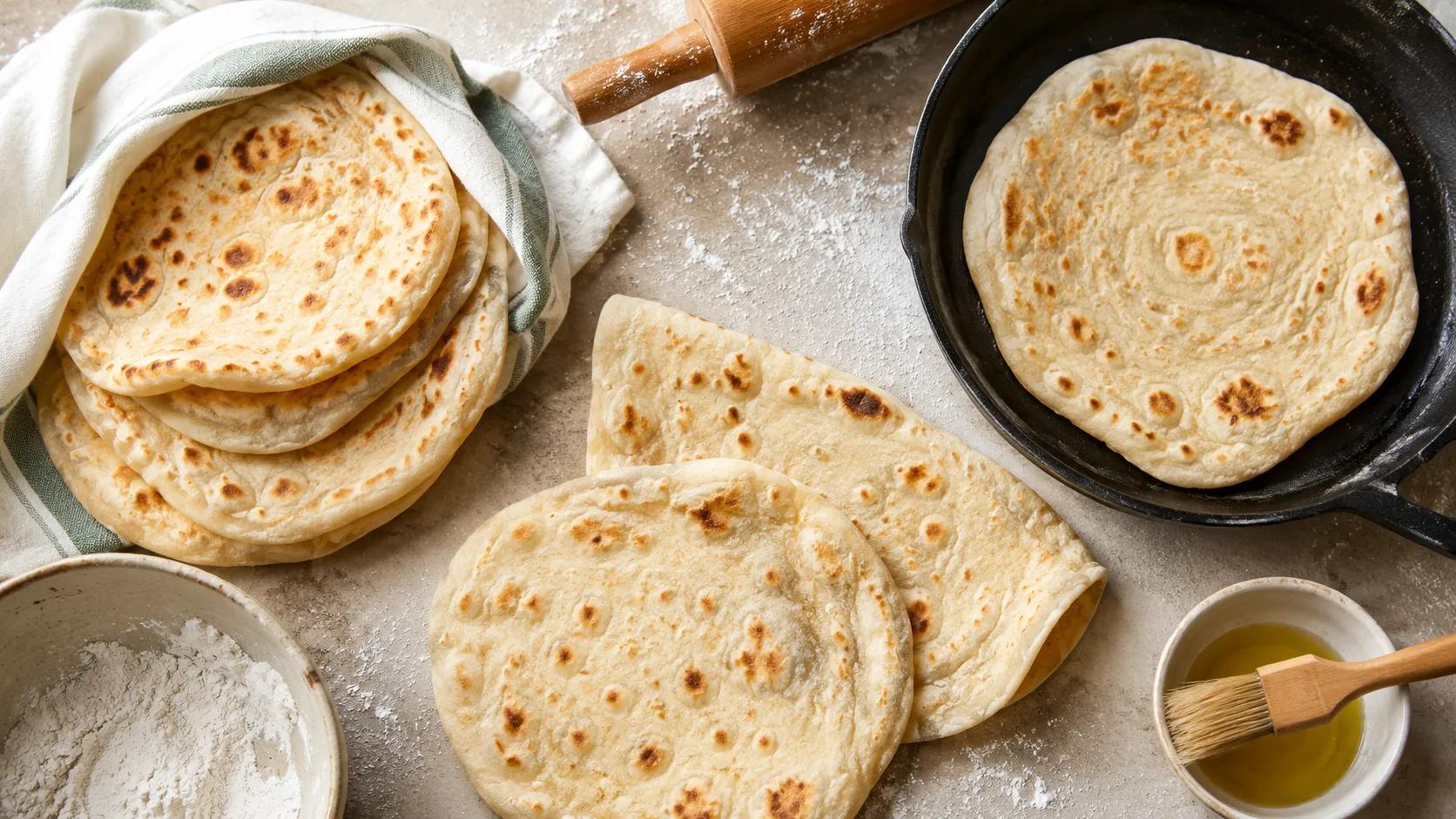
    Greek gyro flatbreads make soft, flexible wraps with flour, yeast, salt, sugar and warm water. A long rest gives the dough structure, while cooking in a hot dry pan keeps each bread pliable enough for gyros or mezze.
    No ratings yet
    Servings
    Servings 6 flatbreads

    Ingredients
     

    • 420 g plain flour plus extra for dusting
    • 2 tsp instant yeast
    • 1 ½ tsp fine salt
    • 1 ½ tsp caster sugar
    • 300 ml warm water
    • 1 tbsp olive oil for brushing the pan or bread

    Instructions

    • Whisk the flour and yeast together in a large bowl. Add the salt and sugar, then stir in the warm water until a rough dough forms.
      420 g plain flour, 2 tsp instant yeast, 1 1/2 tsp fine salt, 1 1/2 tsp caster sugar, 300 ml warm water
    • Turn the dough onto a lightly floured surface and knead for 5–6 minutes until smoother and elastic. Use only a little extra flour if the dough feels too sticky to handle.
    • Shape the dough into a ball, place it in a clean bowl and cover. Leave for about 2 hours, or until well risen and almost doubled.
    • Divide the dough into 6 equal pieces and roll each one into a ball. Roll each ball on a lightly floured surface into a thin round about 23 cm wide.
    • Heat a cast-iron pan or heavy skillet over medium heat. Cook one flatbread for 3–4 minutes on the first side until golden patches appear.
    • Turn the bread, brush or drizzle very lightly with olive oil and cook for 1 minute. Turn again and cook for a further 1–2 minutes, flipping once or twice, until cooked through and flexible.
      1 tbsp olive oil
    • Repeat with the remaining dough, stacking the cooked flatbreads in a clean cloth to keep them soft.

    Chef's notes

    • Store cooled flatbreads in an airtight bag for up to 4 days.
    • Freeze with baking paper between each bread for up to 3 months.
    • To reheat, warm briefly in a dry pan or wrap in foil and heat in a low oven.
    • The dough can be chilled after the first rise for up to 24 hours. Bring back to room temperature before rolling.
    • Replace up to 60 g of the plain flour with wholemeal flour for a slightly nuttier bread.
    Drink pairing
    These soft Greek gyro flatbreads work best with bright, refreshing drinks that suit warm bread, grilled fillings and yoghurt-based sauces without overwhelming them.

    Alcoholic

    Assyrtiko for crisp acidity with Greek fillings; dry Greek rosé for tomato, herbs and grilled meat; light pilsner or Greek lager for a clean, easy pairing.

    Non alcoholic

    Sparkling lemon water with mint; iced mountain tea with honey and lemon; cucumber and lime cooler with a little sea salt.
    Nutrition per serving
    Calories: 235kcal (12%) | Carbohydrates: 49g (16%) | Protein: 7g (14%) | Fat: 2g (3%) | Saturated Fat: 0.2g (1%) | Sodium: 585mg (25%) | Fiber: 2g (8%) | Sugar: 1.5g (2%)

    Weekly inspiration

    Fresh recipes in your inbox

    Get seasonal recipes and smart kitchen basics from Applause for the Chef. No spam. Unsubscribe anytime.

  • Classic Shortcrust Pastry for Quiches & Tarts

    Classic Shortcrust Pastry for Quiches & Tarts

    Classic Shortcrust Pastry for Quiches & Tarts

    Applause for the Chef TeamApplause for the Chef Team
    Shortcrust pastry is a simple dough for quiches, pies and tarts. Plain flour, cold butter and a little water create a crisp, tender base when handled lightly and rested before rolling.
    No ratings yet
    Servings
    Servings 8 slices

    Ingredients
     

    • 250 g plain flour
    • ½ tsp fine sea salt
    • 125 g cold unsalted butter cubed
    • 1 egg yolk optional, for richer pastry
    • 3 tbsp ice-cold water plus extra if needed

    Instructions

    • Mix the flour and salt in a bowl.
      250 g plain flour, ½ tsp fine sea salt
    • Rub in the cold butter with your fingertips until the mixture resembles coarse breadcrumbs with a few pea-sized pieces left.
      125 g cold unsalted butter
    • Stir in the egg yolk, if using, then add the cold water a tablespoon at a time until the dough just comes together.
      1 egg yolk, 3 tbsp ice-cold water
    • Press into a flat disc, wrap and chill for 30 minutes before rolling.
    • Roll on a lightly floured surface and use for quiches, pies or tarts as directed in the main recipe.

    Chef's notes

    • Keep the butter cold so the pastry bakes crisp rather than greasy.
    • Do not knead the dough; pressing it together keeps the texture short and tender.
    • Chill before rolling and again after lining a tin if the kitchen is warm.
    • For blind baking, line with baking paper and weights before adding the filling.
    Nutrition per serving
    Calories: 121kcal (6%) | Carbohydrates: 24g (8%) | Protein: 4g (8%) | Fat: 1g (2%) | Saturated Fat: 0.3g (2%) | Cholesterol: 24mg (8%) | Sodium: 149mg (6%) | Potassium: 36mg (1%) | Fiber: 1g (4%) | Sugar: 0.1g | Vitamin A: 32IU (1%) | Vitamin B12: 0.04µg (1%) | Vitamin D: 0.1µg (1%) | Vitamin E: 0.1mg (1%) | Vitamin K: 0.1µg | Folate: 60µg (15%)

    Weekly inspiration

    Fresh recipes in your inbox

    Get seasonal recipes and smart kitchen basics from Applause for the Chef. No spam. Unsubscribe anytime.

  • Simple Pancake Batter for Light Breakfast Pancakes

    Simple Pancake Batter for Light Breakfast Pancakes

    Simple Pancake Batter for Light Breakfast Pancakes

    Applause for the Chef TeamApplause for the Chef Team
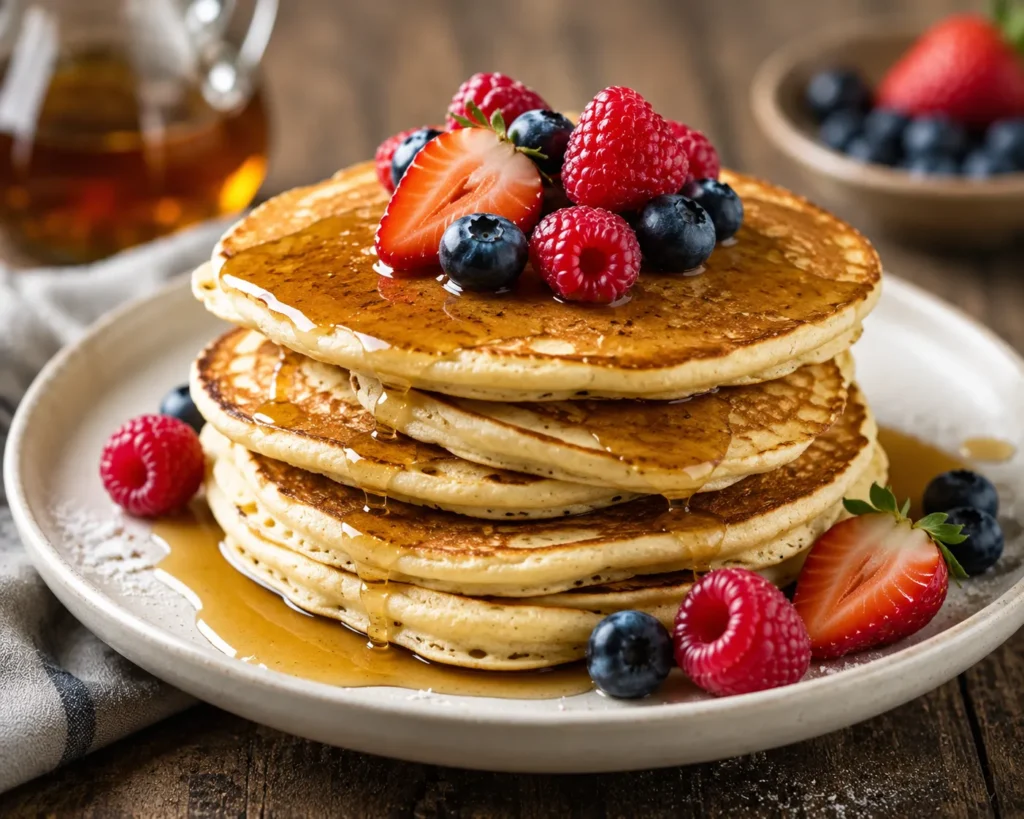
    Pancake batter is an everyday mix of flour, eggs, milk and a little fat. Resting the batter hydrates the flour and helps the pancakes cook evenly with soft centres and lightly golden edges.
    No ratings yet
    Servings
    Servings 8 pancakes

    Ingredients
     

    • 200 g plain flour
    • 1 tbsp caster sugar optional
    • 1 tsp baking powder
    • ¼ tsp fine sea salt
    • 2 eggs
    • 300 ml milk
    • 25 g unsalted butter melted, plus extra for the pan

    Instructions

    • Whisk the flour, sugar, baking powder and salt in a bowl.
      200 g plain flour, 1 tbsp caster sugar, 1 tsp baking powder, ¼ tsp fine sea salt
    • Beat the eggs with the milk, then pour into the dry ingredients and whisk until only small lumps remain.
      2 eggs, 300 ml milk
    • Whisk in the melted butter and rest the batter for 20 minutes.
      25 g unsalted butter
    • Cook ladlefuls in a lightly buttered pan over medium heat until bubbles appear, then turn and cook the second side.
    • Serve warm or cool on a rack if making ahead.

    Chef's notes

    • A few small lumps are better than over-whisked batter.
    • Resting improves texture and helps the batter thicken slightly.
    • Keep the pan at medium heat so the centres cook before the outside browns too much.
    • For thinner pancakes, add an extra splash of milk.
    Nutrition per serving
    Calories: 145kcal (7%) | Carbohydrates: 20g (7%) | Protein: 5g (10%) | Fat: 5g (8%) | Saturated Fat: 3g (19%) | Sodium: 185mg (8%) | Fiber: 1g (4%) | Sugar: 3g (3%)

    Weekly inspiration

    Fresh recipes in your inbox

    Get seasonal recipes and smart kitchen basics from Applause for the Chef. No spam. Unsubscribe anytime.

  • Easy Pizza Dough for Thin or Puffy Crusts

    Easy Pizza Dough for Thin or Puffy Crusts

    Easy Pizza Dough for Thin or Puffy Crusts

    Applause for the Chef TeamApplause for the Chef Team
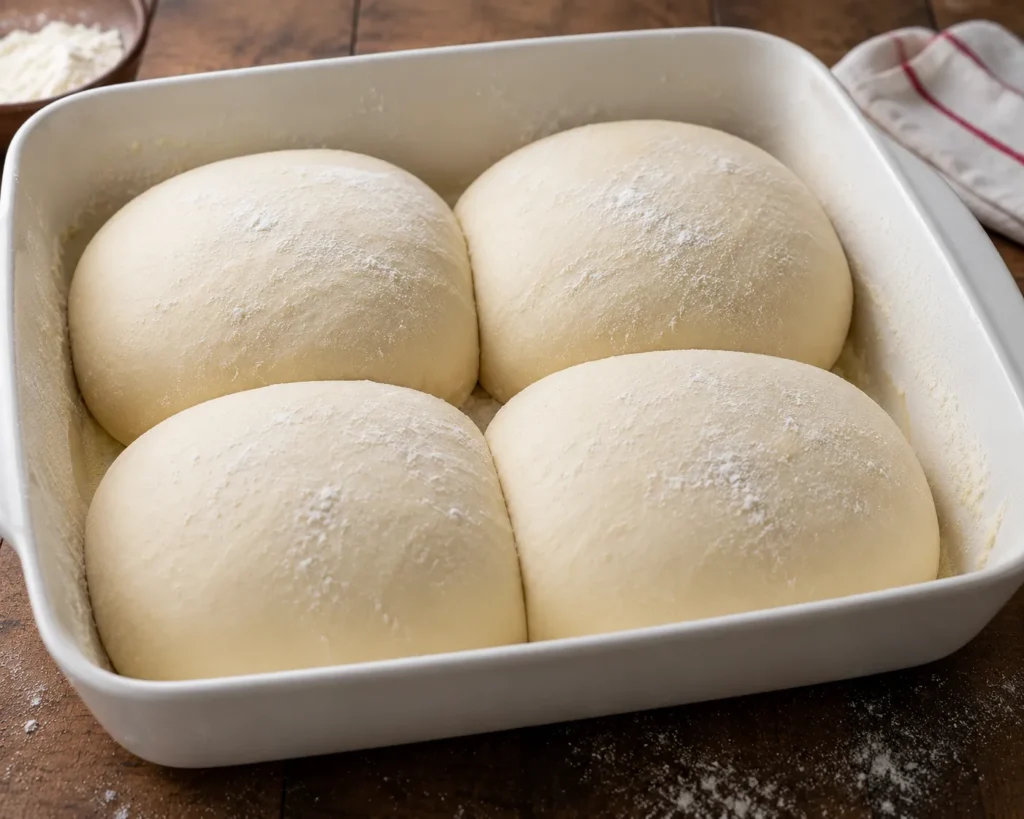
    Pizza dough uses strong flour, yeast, water, salt and olive oil to make a flexible base for thin or puffy crusts. A proper rise gives the dough flavour, stretch and good oven spring.
    No ratings yet
    Servings
    Servings 4 pizza bases

    Ingredients
     

    • 500 g strong white bread flour
    • 7 g instant dried yeast
    • tsp fine sea salt
    • 325 ml lukewarm water
    • 2 tbsp olive oil

    Instructions

    • Combine the flour, yeast and salt in a large bowl, keeping the yeast and salt apart at first.
      500 g strong white bread flour, 7 g instant dried yeast, 1½ tsp fine sea salt
    • Pour in the lukewarm water and olive oil, then mix to a rough dough.
      325 ml lukewarm water, 2 tbsp olive oil
    • Knead for 8–10 minutes until smooth, elastic and slightly tacky.
    • Cover and leave to rise for about 1 hour, or until doubled in size.
    • Divide into 4 balls, rest briefly, then stretch or roll for pizza.

    Chef's notes

    • Use strong white bread flour for better stretch and chew.
    • If the dough feels dry, add water 1 tbsp at a time; if sticky, use a little flour on your hands rather than adding too much.
    • A longer cool rise in the fridge improves flavour.
    • Bake on a very hot tray, steel or stone for the best crust.
    Nutrition per serving
    Calories: 523kcal (26%) | Carbohydrates: 96g (32%) | Protein: 14g (28%) | Fat: 8g (12%) | Saturated Fat: 1g (6%) | Sodium: 888mg (39%) | Potassium: 151mg (4%) | Fiber: 4g (17%) | Sugar: 0.3g | Vitamin C: 0.01mg | Vitamin E: 1mg (7%) | Vitamin K: 5µg (5%) | Folate: 270µg (68%)

    Weekly inspiration

    Fresh recipes in your inbox

    Get seasonal recipes and smart kitchen basics from Applause for the Chef. No spam. Unsubscribe anytime.

  • Classic Crêpe Batter for Thin French-Style Crêpes

    Classic Crêpe Batter for Thin French-Style Crêpes

    Classic Crêpe Batter for Thin French-Style Crêpes

    Applause for the Chef TeamApplause for the Chef Team
    Crêpe batter is a thin mixture of flour, eggs, milk and melted butter. Resting lets the flour relax, giving delicate crêpes that spread easily and fold without tearing.
    No ratings yet
    Servings
    Servings 10 crêpes

    Ingredients
     

    Instructions

    • Whisk the flour and salt in a bowl.
      125 g plain flour, ¼ tsp fine sea salt
    • Add the eggs and a little milk, then whisk to a smooth thick paste.
      2 eggs, 300 ml milk
    • Gradually whisk in the remaining milk, then stir in the melted butter.
      300 ml milk, 25 g unsalted butter
    • Rest the batter for 30 minutes, then stir before cooking.
    • Pour a thin layer into a lightly buttered hot pan, swirl to coat and cook until the edges lift; turn briefly to finish.

    Chef's notes

    • The batter should be pourable, similar to single cream.
    • Resting reduces tearing and gives a more even texture.
    • Use only a little butter in the pan; too much makes the crêpes patchy.
    • Stack cooked crêpes under a clean tea towel to keep them soft.
    • For sweeter crêpes, you can optionally add:
      • 1 tbsp sugar
      • ½ tsp vanilla extract
    Nutrition per serving
    Calories: 95kcal (5%) | Carbohydrates: 11g (4%) | Protein: 3g (6%) | Fat: 4g (6%) | Saturated Fat: 2g (13%) | Cholesterol: 42mg (14%) | Sodium: 84mg (4%) | Potassium: 73mg (2%) | Fiber: 0.3g (1%) | Sugar: 2g (2%) | Vitamin A: 160IU (3%) | Vitamin B12: 0.2µg (3%) | Vitamin D: 1µg (7%) | Vitamin E: 0.2mg (1%) | Vitamin K: 0.3µg | Folate: 27µg (7%)

    Weekly inspiration

    Fresh recipes in your inbox

    Get seasonal recipes and smart kitchen basics from Applause for the Chef. No spam. Unsubscribe anytime.

  • Crisp Yorkshire Pudding Batter for Roast Dinners

    Crisp Yorkshire Pudding Batter for Roast Dinners

    Crisp Yorkshire Pudding Batter for Roast Dinners

    Applause for the Chef TeamApplause for the Chef Team
    Yorkshire pudding batter uses equal parts egg, milk and flour by volume for crisp edges and hollow centres. Very hot fat and a rested batter are the key to a strong rise.
    No ratings yet
    Servings
    Servings 12 puddings

    Ingredients
     

    • 140 g plain flour
    • ½ tsp fine sea salt
    • 4 eggs
    • 200 ml milk
    • 2 tbsp beef dripping or neutral oil

    Instructions

    • Whisk the flour and salt in a jug or bowl.
      140 g plain flour, ½ tsp fine sea salt
    • Add the eggs and a little milk, then whisk to a smooth paste.
      4 eggs, 200 ml milk
    • Gradually whisk in the remaining milk until the batter is smooth, then rest for 30 minutes.
      200 ml milk
    • Heat the oven to 220°C and place a little dripping or oil in each hole of a muffin tin until smoking hot.
      2 tbsp beef dripping or neutral oil
    • Pour the batter into the hot fat and bake for 20–25 minutes without opening the oven until risen and crisp.

    Chef's notes

    • Rest the batter for a better rise and lighter centre.
    • The fat must be very hot before the batter goes in.
    • Do not open the oven door during baking or the puddings can collapse.
    • Use neutral oil if you prefer not to use beef dripping.
    Nutrition per serving
    Calories: 95kcal (5%) | Carbohydrates: 10g (3%) | Protein: 4g (8%) | Fat: 4g (6%) | Saturated Fat: 1g (6%) | Cholesterol: 57mg (19%) | Sodium: 126mg (5%) | Potassium: 59mg (2%) | Fiber: 0.3g (1%) | Sugar: 1g (1%) | Vitamin A: 107IU (2%) | Vitamin B12: 0.2µg (3%) | Vitamin D: 0.5µg (3%) | Vitamin E: 1mg (7%) | Vitamin K: 2µg (2%) | Folate: 28µg (7%)

    Weekly inspiration

    Fresh recipes in your inbox

    Get seasonal recipes and smart kitchen basics from Applause for the Chef. No spam. Unsubscribe anytime.

  • Basic White Bread Dough for a Simple Loaf

    Basic White Bread Dough for a Simple Loaf

    Basic White Bread Dough for a Simple Loaf

    Applause for the Chef TeamApplause for the Chef Team
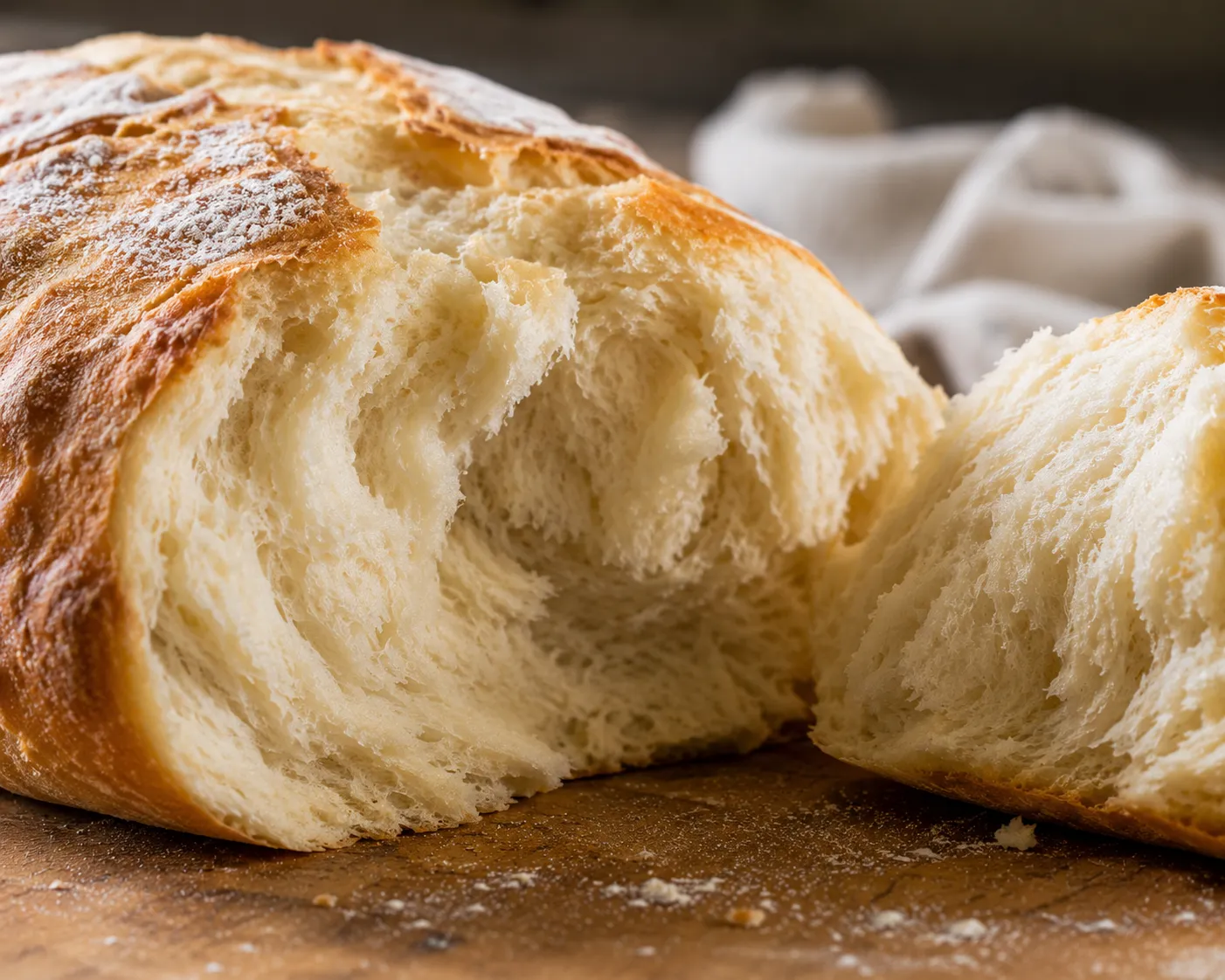
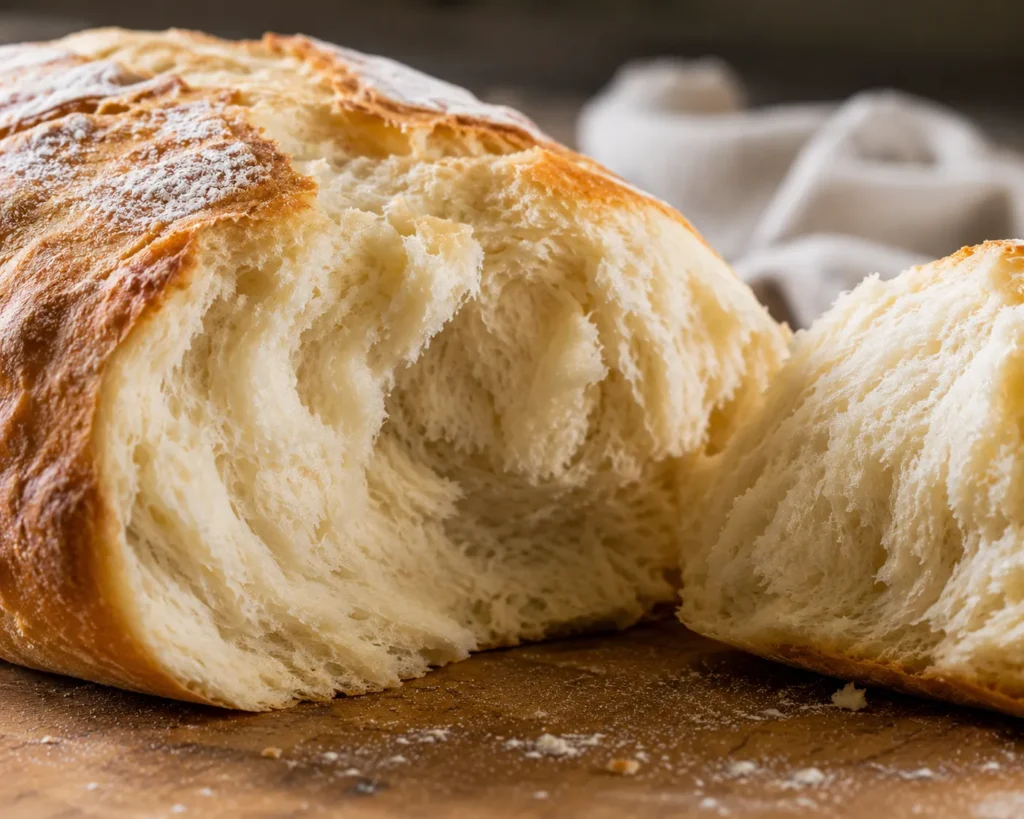
    Basic bread dough combines strong flour, yeast, salt, water and a little oil. Kneading builds structure, while two rises give the loaf a lighter crumb and a clean, everyday flavour.
    No ratings yet
    Servings
    Servings 10 slices

    Ingredients
     

    • 500 g strong white bread flour
    • 7 g instant dried yeast
    • 10 g fine sea salt
    • 320 ml lukewarm water
    • 1 tbsp olive oil plus extra for the bowl

    Instructions

    • Combine the flour, yeast and salt in a large bowl, keeping the yeast and salt apart at first.
      500 g strong white bread flour, 7 g instant dried yeast, 10 g fine sea salt
    • Add the lukewarm water and olive oil, then mix to a rough dough.
      320 ml lukewarm water, 1 tbsp olive oil
    • Knead for 10 minutes until smooth and elastic.
    • Place in a lightly oiled bowl, cover and leave to rise for 1–1½ hours until doubled.
      1 tbsp olive oil, 500 g strong white bread flour, 7 g instant dried yeast, 10 g fine sea salt, 320 ml lukewarm water
    • Shape into a loaf, prove again until puffy, then bake at 220°C for 30–35 minutes until deeply golden and hollow-sounding underneath.

    Chef's notes

    • Do not add all the water at once if your flour absorbs less; hold back 1–2 tbsp and adjust as needed.
    • A slow first rise gives better flavour than rushing the dough in a very warm place.
    • The dough is ready to shape when it feels airy and has roughly doubled in size.
    • Cool completely before slicing for the neatest crumb.
    Nutrition per serving
    Calories: 197kcal (10%) | Carbohydrates: 38g (13%) | Protein: 5g (10%) | Fat: 2g (3%) | Saturated Fat: 0.3g (2%) | Sodium: 391mg (17%) | Potassium: 60mg (2%) | Fiber: 2g (8%) | Sugar: 0.1g | Vitamin C: 0.002mg | Vitamin E: 0.2mg (1%) | Vitamin K: 1µg (1%) | Folate: 108µg (27%)

    Weekly inspiration

    Fresh recipes in your inbox

    Get seasonal recipes and smart kitchen basics from Applause for the Chef. No spam. Unsubscribe anytime.

  • Dutch Pancake Batter for Sweet & Savoury Pannenkoeken

    Dutch Pancake Batter for Sweet & Savoury Pannenkoeken

    Dutch Pancake Batter for Sweet & Savoury Pannenkoeken

    Applause for the Chef TeamApplause for the Chef Team
    Dutch pancake batter makes thin, flexible pannenkoeken with crisp edges and a soft centre. Plain flour, eggs and milk create a simple base for syrup, bacon, Gouda cheese, apples or other classic toppings.
    No ratings yet
    Servings
    Servings 8 pancakes

    Ingredients
     

    Instructions

    • Whisk the flour and salt together in a large bowl.
      250 g plain flour, ¼ tsp fine sea salt
    • Beat the eggs with about one third of the milk, then whisk into the flour to make a thick, smooth batter.
      3 eggs, 600 ml milk
    • Gradually whisk in the remaining milk, then add the melted butter. The batter should be thinner than American pancake batter but slightly thicker than crêpe batter.
      600 ml milk, 30 g unsalted butter
    • Rest the batter for 15 minutes so the flour hydrates and the pancakes cook evenly.
    • Heat a large frying pan over medium heat and brush lightly with butter. Add a ladle of batter and tilt the pan so it spreads into a thin, even layer.
      30 g unsalted butter
    • Cook for 1–2 minutes until the underside is golden and the top is almost set, then turn and cook the second side briefly.
    • Stack the pancakes on a warm plate and serve with sweet or savoury toppings.

    Chef's notes

    • You can replace the butter with sunflower or another neutral oil. 
    • For spekpannenkoek, cook a few thin slices of bacon in the pan first, then pour the batter over the bacon and cook as usual.
    • For cheese pancakes, sprinkle grated Gouda over the pancake just after adding the batter so it melts into the top before turning.
    • For sweet pancakes, serve with Dutch stroop, icing sugar, apple slices, cinnamon or a little melted butter.
    • For apple pancakes, lay thin apple slices in the pan, pour the batter over them and cook a little more slowly so the apple softens.
    • If the batter thickens while standing, whisk in 1–2 tbsp extra milk before cooking the next pancake.
    Nutrition per serving
    Calories: 185kcal (9%) | Carbohydrates: 27g (9%) | Protein: 7g (14%) | Fat: 6g (9%) | Saturated Fat: 3g (19%) | Sodium: 120mg (5%) | Fiber: 1g (4%) | Sugar: 4g (4%)

    Weekly inspiration

    Fresh recipes in your inbox

    Get seasonal recipes and smart kitchen basics from Applause for the Chef. No spam. Unsubscribe anytime.