Category: Basics

  • French Herbes de Provence for Roasts & Vegetables

    French Herbes de Provence for Roasts & Vegetables

    French Herbes de Provence for Roasts & Vegetables

    Applause for the Chef TeamApplause for the Chef Team
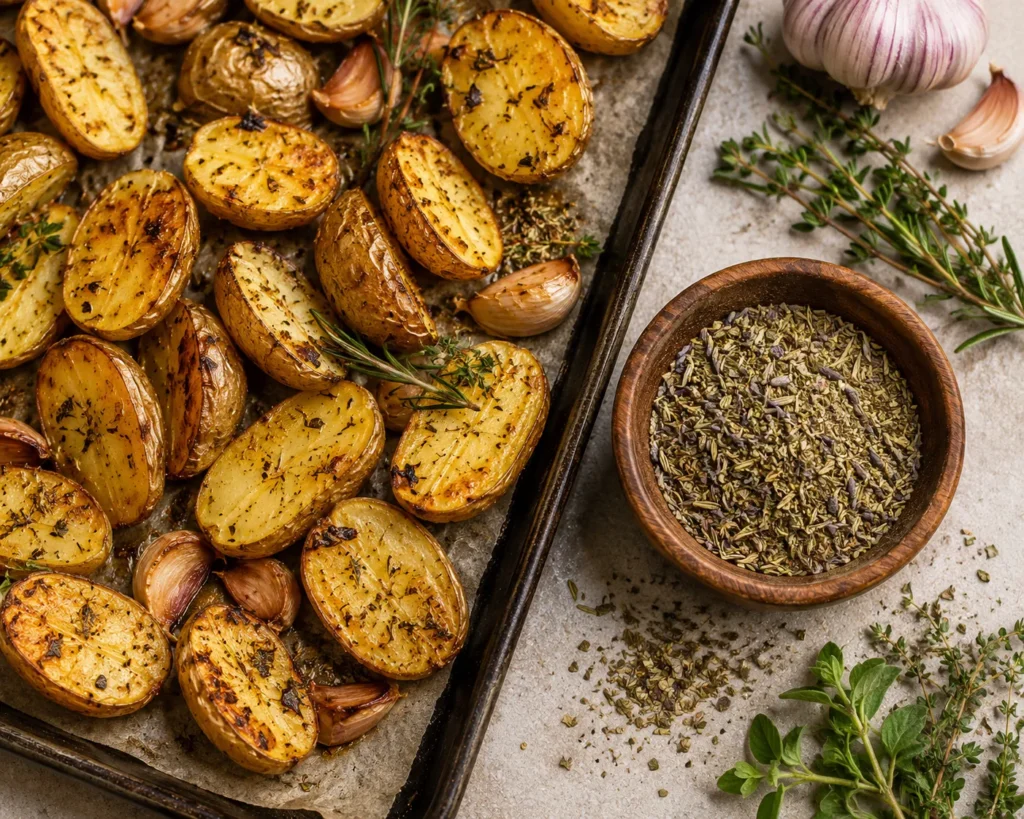
    Herbes de Provence is a fragrant French herb blend for vegetables, fish, chicken and potatoes. Thyme, savoury, rosemary and oregano give it warmth, while a little fennel and optional lavender add a southern French note.
    No ratings yet
    Servings
    Servings 24 tsp

    Ingredients
     

    • 2 tbsp dried thyme
    • 2 tbsp dried savoury
    • 1 tbsp dried rosemary lightly crushed
    • 1 tbsp dried oregano
    • 1 tbsp dried marjoram
    • 1 tsp dried lavender optional and very light
    • 1 tsp fennel seeds lightly crushed

    Instructions

    • Lightly crush the rosemary and fennel seeds so they distribute evenly through the blend.
      1 tbsp dried rosemary, 1 tsp fennel seeds
    • Mix the thyme, savoury, rosemary, oregano, marjoram, lavender and fennel seeds in a small bowl.
      2 tbsp dried thyme, 2 tbsp dried savoury, 1 tbsp dried rosemary, 1 tbsp dried oregano, 1 tbsp dried marjoram, 1 tsp dried lavender, 1 tsp fennel seeds
    • Spoon into a clean jar and store in a cool, dark cupboard.
    • Use sparingly with chicken, fish, potatoes, grilled vegetables or tomato-based dishes.

    Chef's notes

    • Use lavender cautiously; too much can taste soapy.
    • Crush fennel seeds lightly rather than grinding them to powder.
    • Excellent with olive oil as a rub for roast vegetables or chicken.
    • Store for up to 6 months, then refresh with a new batch for best aroma.
    Nutrition per serving
    Calories: 3kcal | Carbohydrates: 1g | Protein: 0g | Fat: 0g | Saturated Fat: 0g | Sodium: 1mg | Fiber: 0g | Sugar: 0g

    Weekly inspiration

    Fresh recipes in your inbox

    Get seasonal recipes and smart kitchen basics from Applause for the Chef. No spam. Unsubscribe anytime.

  • Easy Taco Seasoning for Weeknight Family Meals

    Easy Taco Seasoning for Weeknight Family Meals

    Easy Taco Seasoning for Weeknight Family Meals

    Applause for the Chef TeamApplause for the Chef Team
    Taco seasoning is a quick spice mix for mince, beans, chicken and vegetables. Chilli powder, cumin, smoked paprika, garlic and oregano create a warm, savoury base for easy weeknight meals.
    No ratings yet
    Servings
    Servings 18 tsp

    Ingredients
     

    • 2 tbsp mild chilli powder
    • 1 tbsp ground cumin
    • 1 tbsp smoked paprika
    • 2 tsp garlic powder
    • 2 tsp onion powder
    • 1 tsp dried oregano
    • 1 tsp fine sea salt
    • ½ tsp black pepper
    • ¼ tsp cayenne pepper optional

    Instructions

    • Combine the chilli powder, cumin, smoked paprika, garlic powder, onion powder, oregano, salt, black pepper and cayenne in a bowl.
      2 tbsp mild chilli powder, 1 tbsp ground cumin, 1 tbsp smoked paprika, 2 tsp garlic powder, 2 tsp onion powder, 1 tsp dried oregano, 1 tsp fine sea salt, ½ tsp black pepper, ¼ tsp cayenne pepper
    • Stir thoroughly, breaking up any clumps with the back of a spoon.
    • Store in an airtight jar until ready to use.
    • Use 1½–2 tbsp for 500 g mince, beans, chicken or roasted vegetables, adding a splash of water to help it coat evenly.

    Chef's notes

    • Make it milder by leaving out the cayenne pepper.
    • For a salt-free blend, omit the salt and season the dish separately.
    • Bloom the seasoning briefly in the pan with the meat or vegetables for deeper flavour.
    • Store airtight for up to 6 months.
    Nutrition per serving
    Calories: 5kcal | Carbohydrates: 1g | Protein: 0g | Fat: 0g | Saturated Fat: 0g | Sodium: 130mg (6%) | Fiber: 0g | Sugar: 0g
    Weekly inspiration

    Fresh recipes in your inbox

    Get seasonal recipes and smart kitchen basics from Applause for the Chef. No spam. Unsubscribe anytime.

  • How to Temper Eggs

    How to Temper Eggs

    Technique

    How to Temper Eggs

    Learn how to temper eggs for custards, sauces and carbonara-style dishes without scrambling or curdling.
    Useful for
    Custards, pastry cream, sauces, lemon curd, egg-thickened soups, carbonara-style pasta

    What this technique does

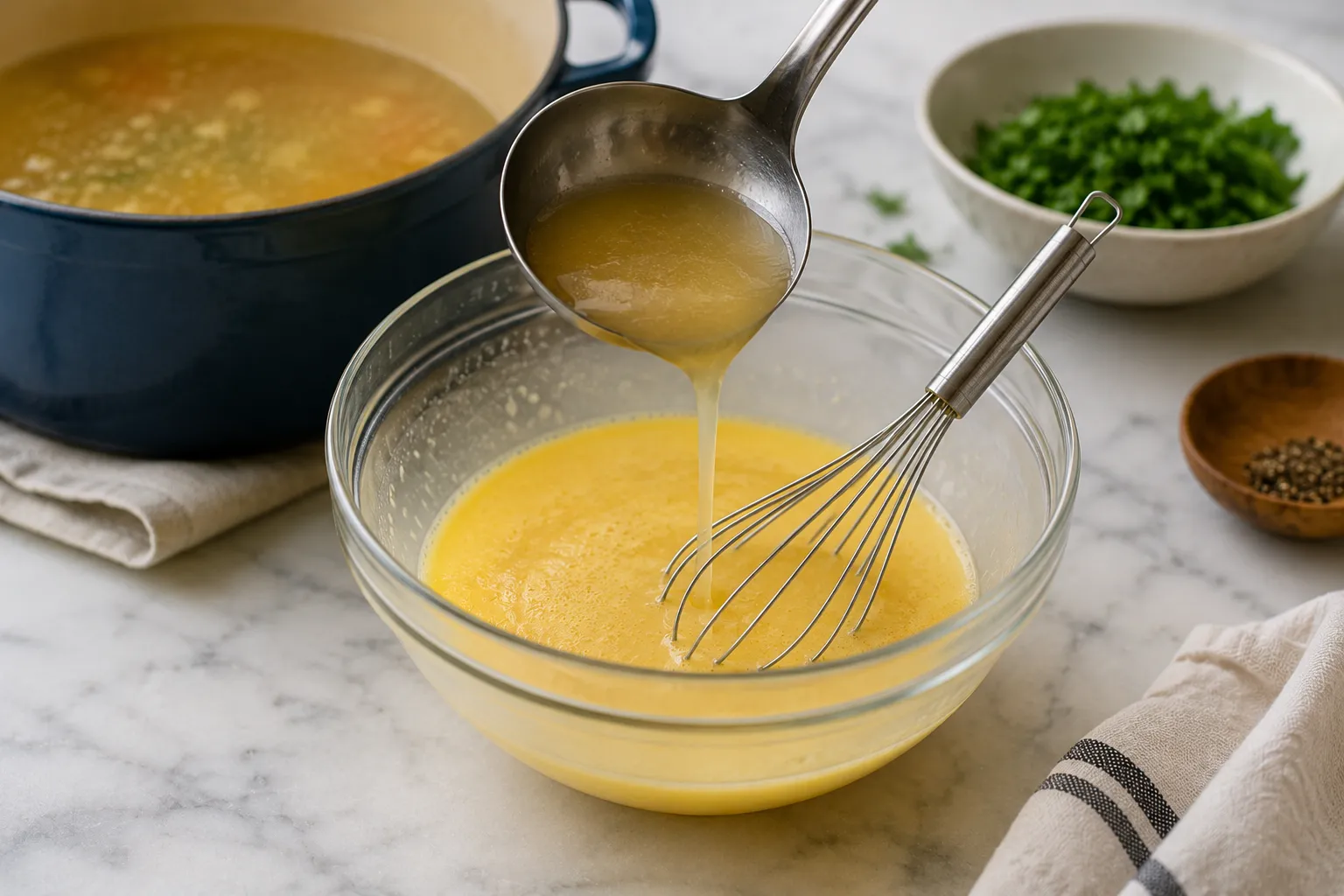
    Tempering eggs means gradually warming beaten eggs with a small amount of hot liquid before combining them with the rest of the hot mixture. This raises the egg temperature gently so it thickens smoothly instead of scrambling.
    It is a control technique. The goal is to protect the proteins in the egg from sudden heat.

    When to use it

    Use tempering whenever eggs or egg yolks are added to a hot liquid and need to thicken it smoothly.
    • Custards, pastry cream and crème anglaise.
    • Lemon curd and some dessert sauces.
    • Avgolemono-style soups and egg-thickened sauces.
    • Carbonara-style pasta dishes, where residual heat thickens the eggs gently.

    Step by step

    1. Whisk the eggs or yolks in a bowl until smooth before bringing in heat.
    2. Make sure the hot liquid is hot but not violently boiling when you begin.
    3. Add a small ladleful of hot liquid to the eggs while whisking constantly.
    4. Add another ladleful slowly, still whisking, until the egg mixture feels warm.
    5. Pour the warmed egg mixture back into the pan or bowl with the remaining hot liquid, stirring constantly.
    6. Cook gently over low heat if needed, stirring until the mixture thickens enough to coat a spoon.
    7. Remove from heat before it boils unless the recipe specifically directs otherwise.

    Common mistakes

    • Adding hot liquid too fast: the eggs scramble.
    • Boiling the final mixture: many egg-thickened sauces curdle if overheated.
    • Not whisking continuously: hot spots form and cook the egg unevenly.
    • Using a pan that retains too much heat without control: remove it from the burner if needed.
    • Trying to rescue fully scrambled eggs: small curds can be strained, but fully curdled mixtures usually need starting again.
  • How to Make a Vinaigrette

    How to Make a Vinaigrette

    Technique

    How to Make a Vinaigrette

    Learn how to make a balanced vinaigrette with oil, acidity, seasoning and emulsification for salads, vegetables and grains.
    Useful for
    Salads, roasted vegetables, grain bowls, bean salads, side dishes, marinades

    What this technique does

    A vinaigrette is a simple dressing made by combining oil with an acidic ingredient such as vinegar or lemon juice, then seasoning it so the flavour tastes balanced.
    The classic starting point is about three parts oil to one part acid, but the best ratio depends on the salad, the vinegar and your taste.

    When to use it

    Use vinaigrette for leafy salads, grain bowls, roasted vegetables, bean salads, tomato salads and lightly dressed cooked vegetables.
    • Sharp vinaigrettes for rich foods or bitter leaves.
    • Milder vinaigrettes for delicate greens.
    • Mustard vinaigrettes for better emulsification and savoury depth.
    • Lemon vinaigrettes for fresh vegetables, fish or Mediterranean-style dishes.

    Step by step

    1. Start with the acid in a bowl or jar. Use vinegar, lemon juice or a mixture.
    2. Add salt, pepper and any flavourings such as mustard, honey, garlic or shallot if appropriate.
    3. Whisk or shake until the salt dissolves.
    4. Add oil slowly while whisking, or add it to the jar and shake well.
    5. Taste with a leaf or piece of vegetable, not just from a spoon. Adjust with more oil, acid, salt or sweetness.
    6. Use immediately or shake again before serving if it separates.

    Common mistakes

    • Too sharp: add more oil or a small touch of sweetness.
    • Too oily: add more acid and salt.
    • Flat flavour: it likely needs salt, not more vinegar.
    • Not tasting with the food: leaves and vegetables change how the dressing tastes.
    • Adding delicate herbs too early: they can darken or wilt in acidic dressing.
  • How to Blanch Vegetables

    How to Blanch Vegetables

    Technique

    How to Blanch Vegetables

    Learn how to blanch vegetables for bright colour, crisp-tender texture and better prep for salads, sides and freezing.
    Useful for
    Green vegetables, salads, side dishes, freezing, meal prep, vegetable platters

    What this technique does

    Blanching means briefly boiling vegetables, then cooling them quickly in iced water. It softens the raw edge, brightens colour and sets texture without fully cooking the vegetable into softness.
    It is especially useful for green vegetables that should stay vivid and crisp-tender.

    When to use it

    Use blanching when vegetables need a short pre-cook, a brighter colour or a clean texture for salads, sides and prep.
    • Green beans, broccoli, asparagus, peas and leafy greens.
    • Vegetables for salads and crudités.
    • Vegetables that will be finished later in a pan.
    • Vegetables prepared for freezing.

    Step by step

    1. Bring a large pan of water to a full boil and season it lightly with salt.
    2. Prepare a large bowl of iced water before the vegetables go in.
    3. Cut the vegetables into even pieces so they cook at the same rate.
    4. Add the vegetables to the boiling water and cook briefly. Thin green beans may need 2–3 minutes; peas may need less; broccoli florets may need 2–4 minutes.
    5. Taste or test texture. The vegetables should be brighter and slightly tender but still fresh.
    6. Lift them out and immediately plunge into iced water.
    7. Drain very well before dressing, sautéing, freezing or storing.

    Common mistakes

    • Overcooking: vegetables lose colour and become limp.
    • Not cooling quickly: residual heat keeps cooking the vegetables.
    • Using too little water: the temperature drops too much and cooking becomes uneven.
    • Leaving vegetables wet: dressings slide off and salads become watery.
    • Blanching everything for the same time: dense pieces need longer than delicate ones.
  • How to Roast Vegetables

    How to Roast Vegetables

    Technique

    How to Roast Vegetables

    Learn how to roast vegetables until caramelised, tender and full of flavour, with the right cut size, oil, heat and spacing.
    Useful for
    Side dishes, tray-bakes, salads, bowls, vegetarian mains, meal prep

    What this technique does

    Roasting vegetables uses dry oven heat to drive off moisture, soften the inside and brown the edges. The result should be tender vegetables with concentrated flavour and caramelised surfaces.
    The key is spacing. Crowded vegetables steam rather than roast, giving pale, soft pieces instead of browned edges.

    When to use it

    Use this technique for weeknight side dishes, grain bowls, salads, pasta, soups and meal prep.
    • Root vegetables such as carrots, parsnips, potatoes and beetroot.
    • Brassicas such as cauliflower, broccoli and Brussels sprouts.
    • Soft vegetables such as peppers, courgettes and aubergine.
    • Mixed trays, provided the pieces are cut to cook at similar speeds.

    Step by step

    1. Heat the oven to 200–220°C, depending on the vegetable and how much browning you want.
    2. Cut vegetables into even pieces. Dense vegetables need smaller pieces or more time.
    3. Dry the vegetables if they are wet, then toss with enough oil to coat lightly.
    4. Season with salt and pepper. Add spices if useful, but avoid delicate herbs early in roasting.
    5. Spread in a single layer on a large tray with space between pieces.
    6. Roast until browned at the edges and tender in the centre, turning once if needed.
    7. Finish with lemon juice, vinegar, fresh herbs or a little extra oil after roasting if appropriate.

    Common mistakes

    • Crowding the tray: vegetables steam and stay pale.
    • Using too little oil: edges dry before they brown.
    • Cutting unevenly: small pieces burn while large pieces stay hard.
    • Roasting delicate herbs from the start: they can burn and taste dusty.
    • Removing too early: proper browning takes time.
  • How to Cook Rice

    How to Cook Rice

    Technique

    How to Cook Rice

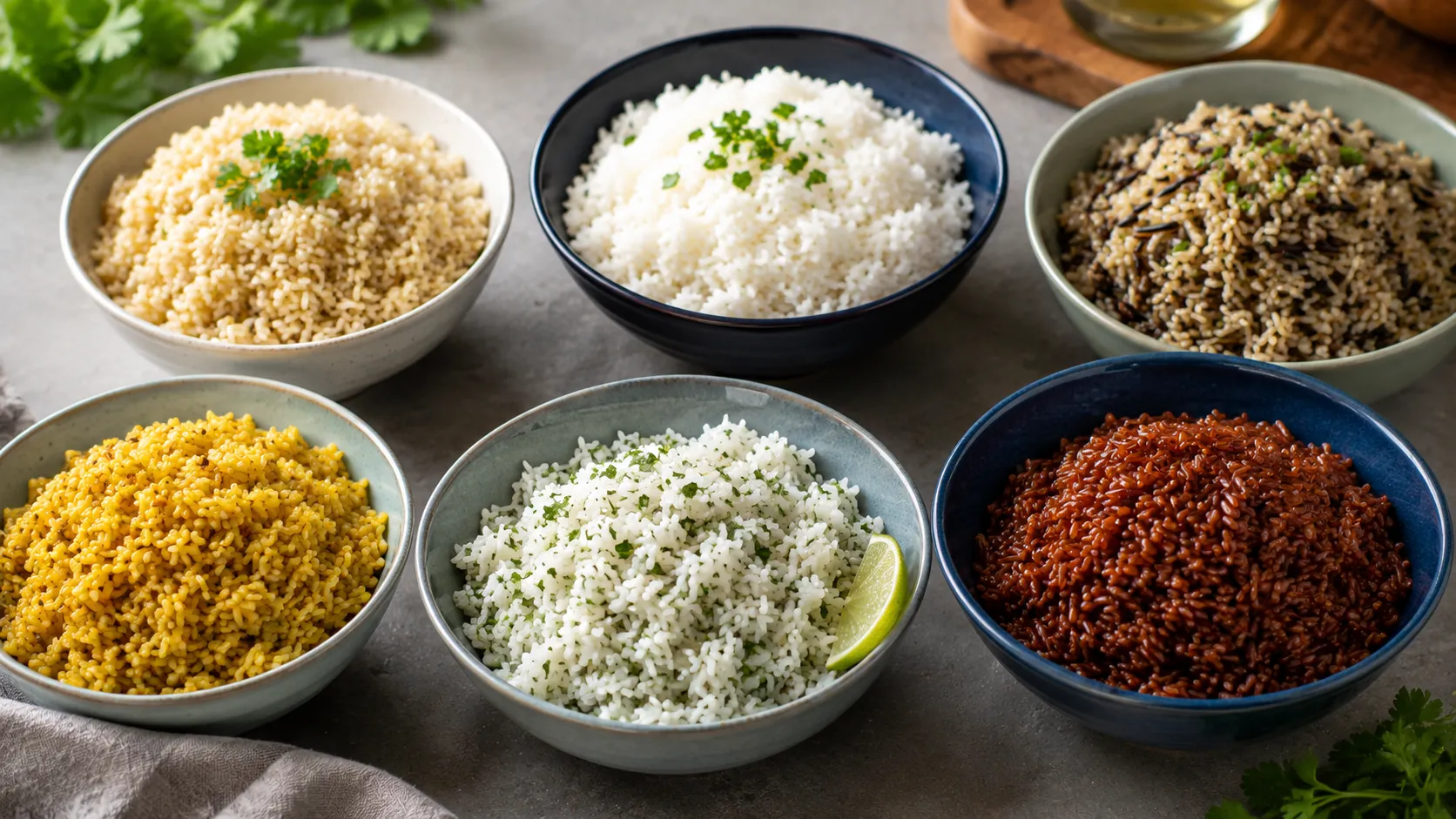
    Learn how to cook rice with reliable ratios, gentle heat and proper resting for fluffy grains instead of a wet or sticky pan.
    Useful for
    Rice bowls, curries, stir-fries, pilafs, side dishes, meal prep

    What this technique does

    Cooking rice well means controlling water, heat and steam. The rice absorbs measured liquid, then finishes cooking gently in its own steam while it rests.
    The exact ratio depends on the rice variety, but the method is similar: rinse if needed, simmer gently, keep the lid on and rest before fluffing.

    When to use it

    Use this absorption method for everyday white long-grain rice, basmati and jasmine rice. Brown rice needs more water and a longer cooking time.
    • Long-grain rice for curries, stews and bowls.
    • Basmati rice for Indian-inspired dishes and pilafs.
    • Jasmine rice for Thai-inspired meals.
    • Plain rice for meal prep and side dishes.

    Step by step

    1. Measure the rice by volume or weight and rinse under cold water until the water runs less cloudy, especially for basmati and jasmine.
    2. For many white long-grain rices, use about 1 part rice to 1.5 parts water by volume. Check the packet if using a specific variety.
    3. Add rice, water and a pinch of salt to a saucepan. Bring to a boil.
    4. Once boiling, stir once, reduce the heat to very low and cover with a tight lid.
    5. Cook gently for 10–15 minutes for white rice, depending on the variety. Do not lift the lid repeatedly.
    6. Turn off the heat and let the rice rest, covered, for 5–10 minutes.
    7. Fluff gently with a fork before serving.

    Common mistakes

    • Too much water: rice becomes wet or mushy.
    • Lifting the lid often: steam escapes and the top layer cooks unevenly.
    • Cooking too hot: the bottom burns before the centre is tender.
    • Skipping the rest: grains can seem wet and uneven.
    • Stirring after cooking starts: this can make rice gummy.
  • How to Cook Pasta Properly

    How to Cook Pasta Properly

    Technique

    How to Cook Pasta Properly

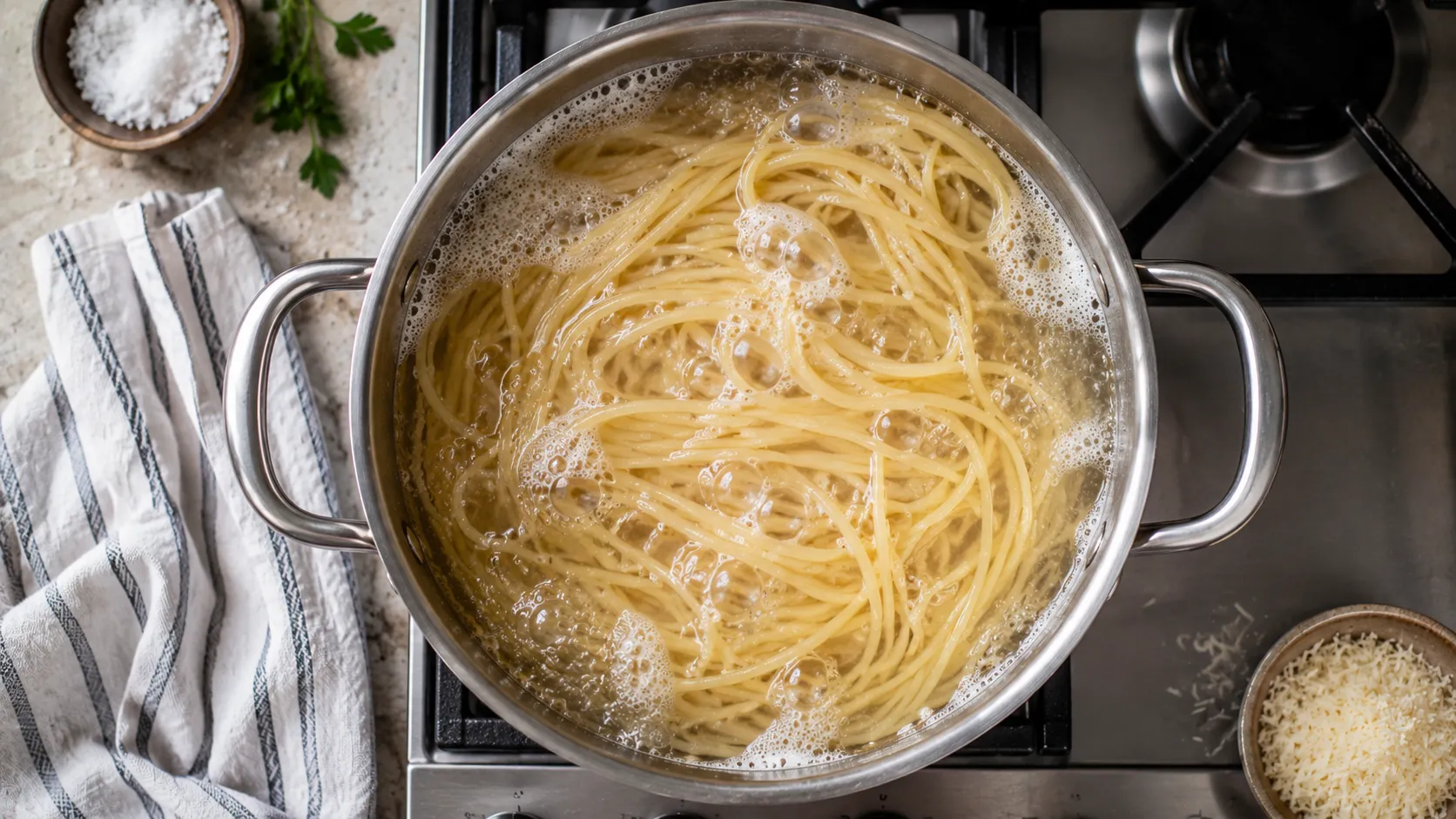
    Learn how to cook pasta properly, season the water, time it well and finish it with sauce for better texture and flavour.
    Useful for
    Pasta dishes, pasta bakes, pasta salads, weeknight dinners, Italian-inspired recipes

    What this technique does

    Cooking pasta properly is about more than boiling it until soft. The water should be well salted, the pasta should be cooked to the right texture, and the final minute with sauce should help the pasta and sauce come together.
    The best pasta has a firm bite, tastes seasoned all the way through and carries sauce rather than sitting underneath it.

    When to use it

    Use this technique for dried pasta, fresh pasta and pasta bakes, adjusting the timing for each shape and style.
    • Dried pasta for weeknight sauces.
    • Fresh pasta, which cooks much faster.
    • Pasta bakes, where the pasta should usually be slightly undercooked before baking.
    • Cold pasta salads, where rinsing may be useful after cooking.

    Step by step

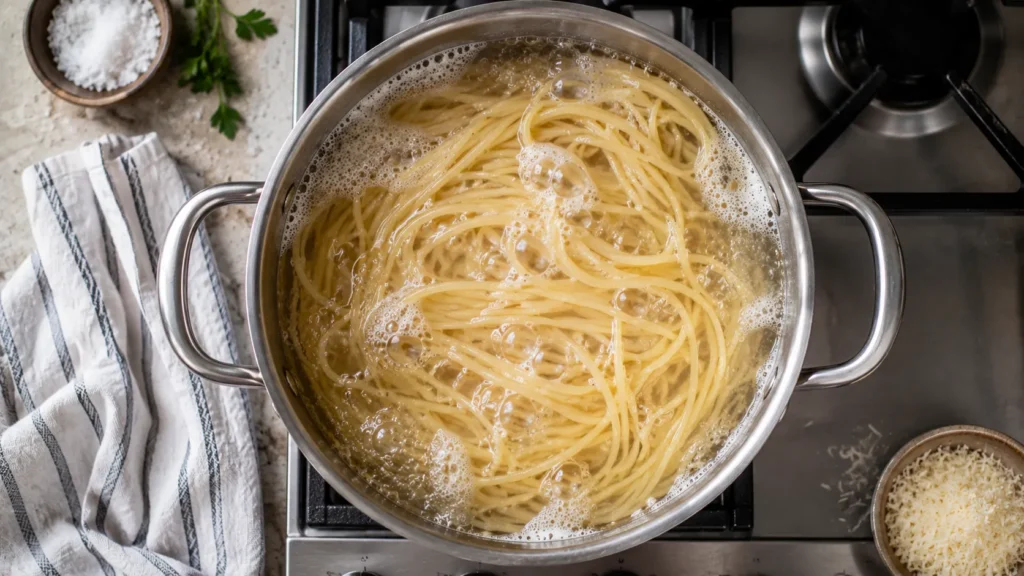
    1. Use a large pan and plenty of water so the pasta can move freely.
    2. Bring the water to a full boil before adding salt. It should taste pleasantly salty, like a well-seasoned broth rather than seawater.
    3. Add the pasta and stir during the first minute to prevent sticking.
    4. Cook according to the packet timing, but start checking 1–2 minutes early.
    5. Taste a piece. It should be tender with a slight firmness in the centre, not chalky and not mushy.
    6. Before draining, reserve a mug of pasta water. The starch helps loosen and bind sauces.
    7. Finish the pasta in the sauce for 30–90 seconds, adding splashes of pasta water until glossy and coated.

    Common mistakes

    • Under-salting the water: the pasta tastes flat even if the sauce is good.
    • Overcooking: pasta continues softening when mixed with hot sauce.
    • Rinsing hot pasta for sauced dishes: it removes starch that helps sauce cling.
    • Throwing away all the pasta water: this makes it harder to emulsify the sauce.
    • Leaving cooked pasta sitting dry: it sticks and loses texture quickly.
  • How to Deglaze a Pan

    How to Deglaze a Pan

    Technique

    How to Deglaze a Pan

    Learn how to deglaze a pan and turn browned cooking juices into a simple, flavourful sauce base.
    Useful for
    Pan sauces, gravy, stews, braises, mushroom sauces, roast dinners

    What this technique does

    Deglazing means adding liquid to a hot pan to loosen the browned bits left after searing meat, vegetables or aromatics. Those browned bits, known as fond, contain concentrated flavour.
    The liquid dissolves the fond and turns it into the base of a sauce, gravy, stew or braising liquid.

    When to use it

    Deglaze whenever a pan has browned but not burnt bits after cooking. It is especially useful after browning meat, roasting vegetables in a pan, cooking mushrooms or making a pan sauce.
    • After searing steak, chicken, pork or fish.
    • Before building a stew, casserole or braise.
    • When making a quick gravy or pan sauce.
    • After cooking mushrooms, onions or roasted vegetables.

    Step by step

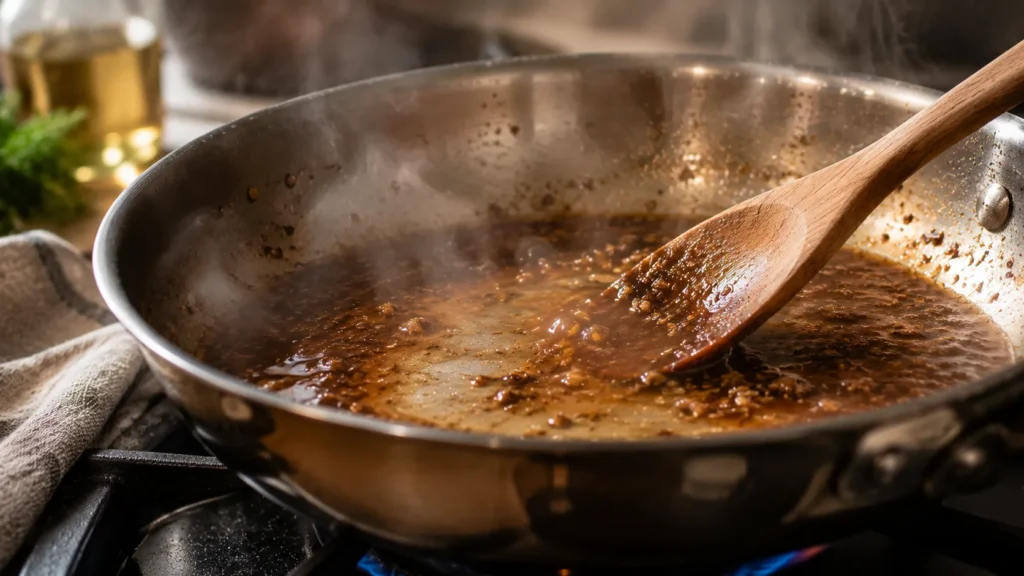
    1. Remove the cooked food from the pan and pour off excess fat if needed, leaving the browned bits behind.
    2. Keep the pan over medium heat. If the bits look very dark, lower the heat.
    3. Add a small splash of liquid such as stock, water, wine, vinegar, cider or cooking water.
    4. Scrape the base of the pan with a wooden spoon or spatula as the liquid bubbles.
    5. Simmer until the browned bits dissolve and the liquid tastes concentrated.
    6. Use immediately as a sauce base, or add more stock, butter, cream, herbs or aromatics depending on the dish.

    Common mistakes

    • Deglazing burnt bits: this makes the sauce bitter.
    • Adding too much liquid at once: start small so the flavour stays concentrated.
    • Not scraping properly: the flavour stays stuck to the pan.
    • Boiling too aggressively: delicate sauces can reduce too far or split.
    • Using a non-stick pan and expecting much fond: non-stick pans produce less browned residue.
  • How to Brown Meat Properly

    How to Brown Meat Properly

    Technique

    How to Brown Meat Properly

    Learn how to brown meat properly for deeper flavour, better colour and richer stews, mince dishes, roasts and braises.
    Useful for
    Stews, braises, mince dishes, roasts, meat sauces, casseroles

    What this technique does

    Browning meat means searing the surface over strong heat until it develops a deep golden-brown crust. This creates savoury flavour through surface browning and leaves browned bits in the pan that can enrich sauces.
    The aim is not to cook the meat through every time. In stews, braises and many mince dishes, browning is a flavour-building step before slower cooking.

    When to use it

    Use this technique when meat needs colour and depth before it is simmered, roasted or added to a sauce.
    • Beef stew, lamb stew and braised pork.
    • Mince for ragù, chilli, cottage pie and savoury fillings.
    • Chicken thighs before braising.
    • Roasts and steaks where a browned surface is part of the final texture.

    Step by step

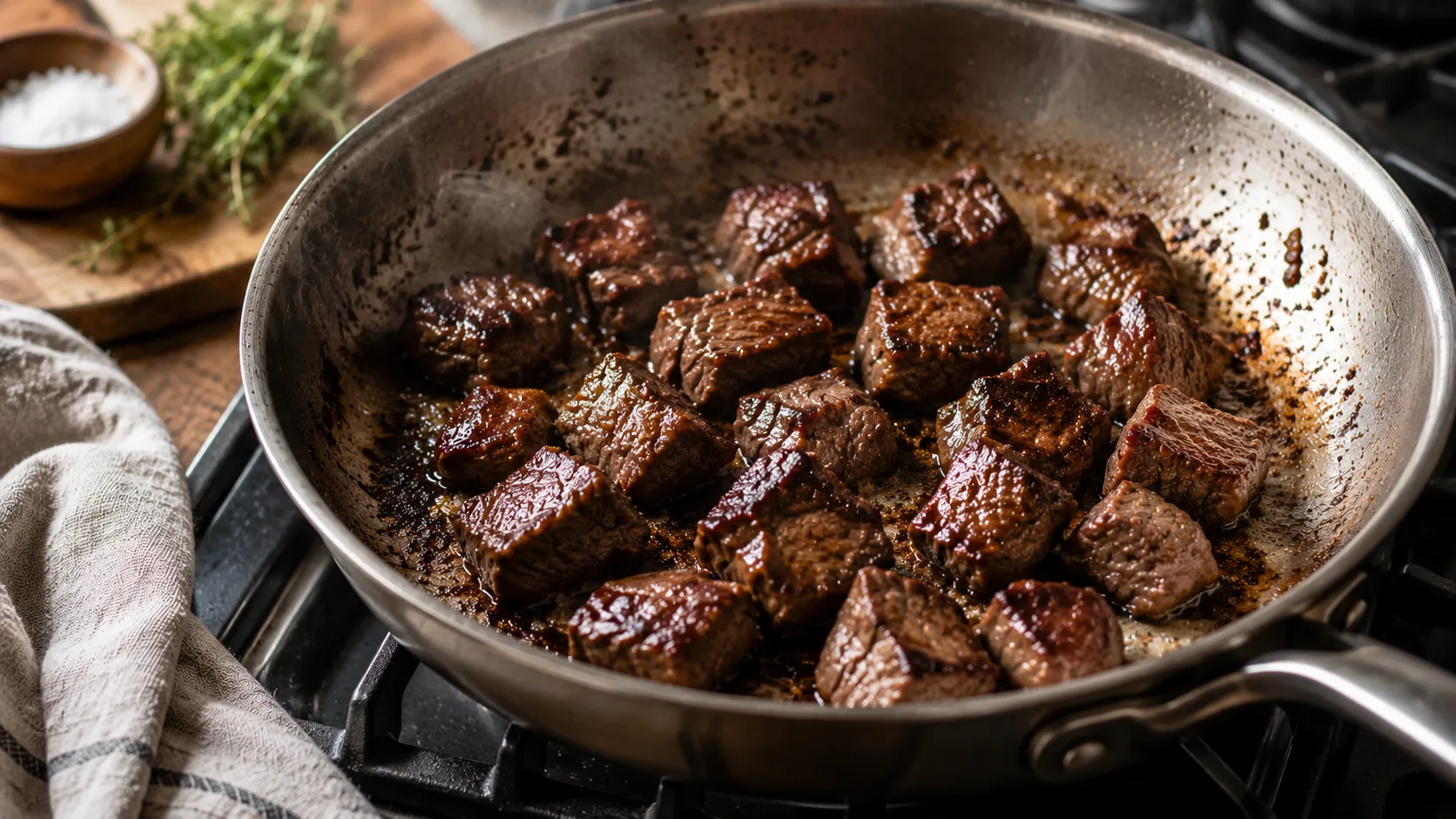
    1. Pat the meat dry with kitchen paper. Moisture on the surface creates steam and delays browning.
    2. Cut pieces evenly and season shortly before cooking.
    3. Heat a heavy pan over medium-high to high heat until properly hot.
    4. Add a thin film of oil with a high enough smoke point. The oil should shimmer but not smoke heavily.
    5. Add the meat in a single layer with space between pieces. Work in batches if needed.
    6. Leave the meat alone until it releases easily and has a deep brown surface. Moving too early tears the crust.
    7. Turn and brown the other sides. For mince, spread it out first, let it brown, then break it up.
    8. Remove browned meat to a plate before continuing with aromatics or deglazing the pan.

    Common mistakes

    • Wet meat: pat it dry before cooking.
    • Too much meat in the pan: brown in batches instead.
    • Stirring constantly: meat needs still contact with the hot pan.
    • Using a cold pan: the meat releases liquid before browning starts.
    • Burning the fond: browned bits are good, blackened bits taste bitter. Lower the heat if needed.