Category: Basics

  • Quick Pickled Red Onions with Warm Spices

    Quick Pickled Red Onions with Warm Spices

    Quick Pickled Red Onions with Warm Spices

    Casper @Applause for the ChefCasper @Applause for the Chef
    Quick pickled red onions use red onions, vinegar, sugar and whole spices for a sharp, bright condiment. The hot brine softens the onion, fixes the pink colour and gives enough sweetness to balance salads, tacos, sandwiches and grilled food.
    No ratings yet
    Servings
    Servings 1 jar

    Ingredients
     

    • 4 red onions thinly sliced
    • 250 ml water
    • 250 ml white vinegar
    • 2 tbsp caster sugar
    • 1 tsp mixed whole spices such as black peppercorns, allspice berries, cardamom or star anise

    Instructions

    • Peel the red onions and slice them very thinly, using a mandoline if available.
      4 red onions
    • Pack the sliced red onions into a clean glass jar, leaving a little space at the top.
    • Heat the water, white vinegar, caster sugar and whole spices in a small saucepan until boiling and the sugar has dissolved.
      250 ml water, 250 ml white vinegar, 2 tbsp caster sugar, 1 tsp mixed whole spices
    • Pour the hot brine over the onions, making sure they are covered. Seal the jar and leave to cool completely.
    • Use after about 1 hour for a quick pickle, or chill for a stronger flavour.

    Chef's notes

    • Store in the fridge once cool and use within 1 week.
    • White vinegar gives the brightest pink colour. Apple cider vinegar gives a softer, fruitier flavour.
    • For a milder onion flavour, rinse the sliced onions briefly under cold water before adding them to the jar.
    • Serve with tacos, burgers, salads, grilled meat, falafel, eggs or cheese sandwiches.
    • Use clean jars and utensils each time to keep the onions in good condition.
    Drink pairing
    Quick pickled red onions are sharp, sweet and lightly spiced, so the best drinks are crisp and fresh. Citrus, dry bubbles, light beer and bright white wines keep the vinegar balanced.

    Alcoholic

    • Dry Riesling or Grüner Veltliner for bright acidity and freshness
    • Mexican lager with lime for tacos, burgers and grilled food
    • Dry cider with crisp apple acidity for cheese boards and salads

    Non alcoholic

    • Sparkling water with lime and mint for a clean, sharp match
    • Unsweetened iced tea with lemon for a dry, refreshing pairing
    • Ginger cordial with soda water for gentle warmth against the vinegar
    Nutrition per serving
    Calories: 225kcal (11%) | Carbohydrates: 41g (14%) | Protein: 5g (10%) | Fat: 0.4g (1%) | Saturated Fat: 0.2g (1%) | Sodium: 35mg (2%) | Potassium: 648mg (19%) | Fiber: 7g (29%) | Sugar: 19g (21%) | Vitamin A: 9IU | Vitamin C: 33mg (40%) | Vitamin E: 0.1mg (1%) | Vitamin K: 2µg (2%) | Folate: 84µg (21%)
    Weekly inspiration

    Fresh recipes in your inbox

    Get seasonal recipes and smart kitchen basics from Applause for the Chef. No spam. Unsubscribe anytime.

  • Parmesan and Hard Cheese

    Parmesan and Hard Cheese

    Pantry Basic

    Parmesan and Hard Cheese

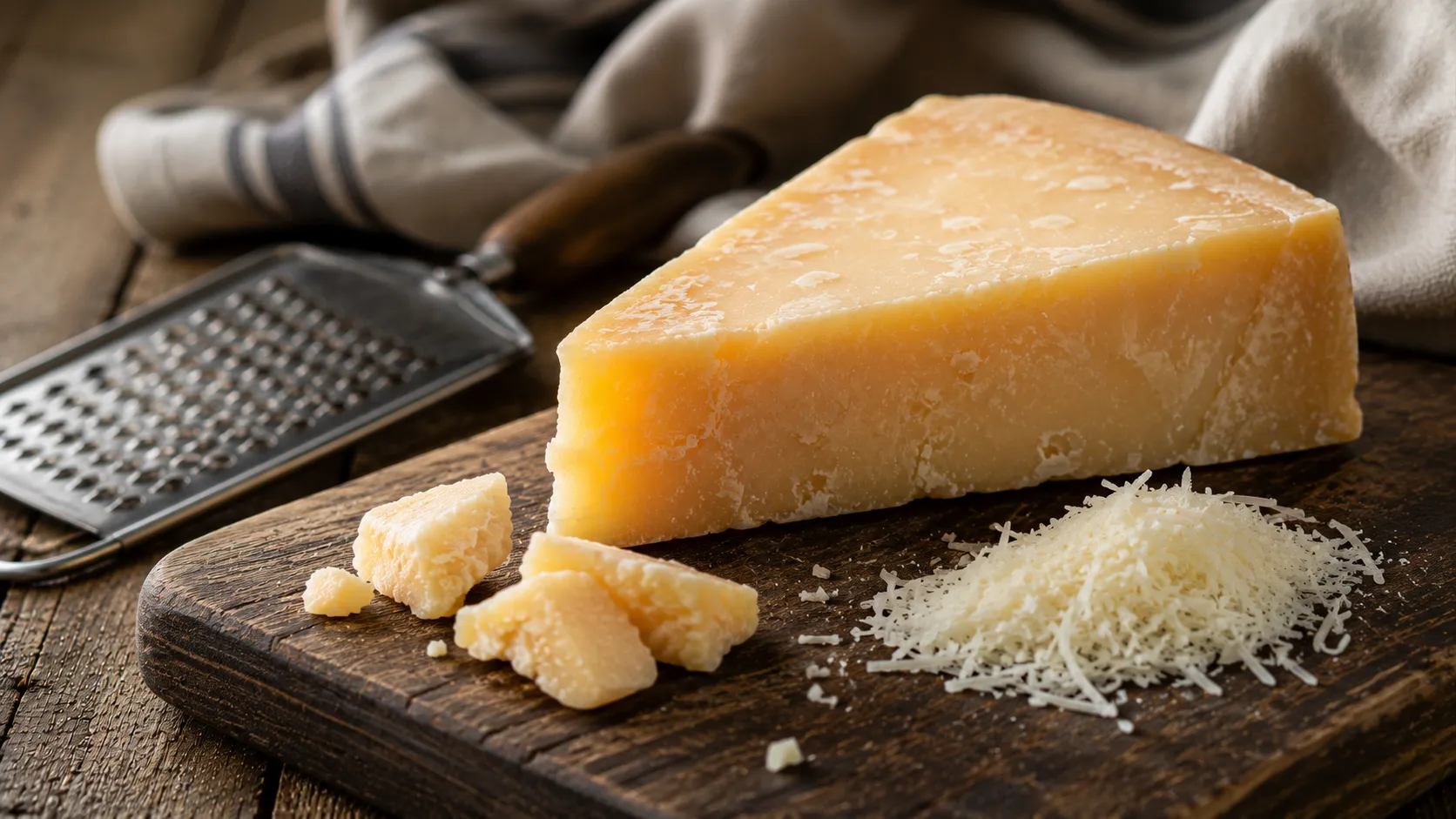
    A practical guide to buying, storing and using Parmesan-style hard cheese for pasta, gratins, salads and finishing.
    Use for
    Pasta, risotto, gratins, salads, soups, finishing

    What it is

    Parmesan and similar hard cheeses add salt, savoury depth and umami to dishes. They are used grated into sauces, shaved over salads, stirred into risotto, baked over gratins and sprinkled over soups and pasta.
    Parmigiano Reggiano is a protected Italian cheese with PDO status in the EU. The European Commission lists Parmigiano Reggiano as a Protected Designation of Origin product. See the EU eAmbrosia entry. Other hard cheeses can still be useful and delicious, but they are not the same product.

    How to choose

    Buy a wedge rather than pre-grated cheese when possible. A wedge keeps flavour better, grates more cleanly and gives you the rind for soups and sauces. Pre-grated cheese is convenient, but it dries out faster and may contain anti-caking ingredients.
    • Parmigiano Reggiano: complex, savoury, granular and excellent for finishing.
    • Grana Padano: often milder and usually more affordable.
    • Pecorino Romano: sheep’s milk cheese, saltier and sharper.
    • Mature hard cheese: useful for gratins, sauces and everyday cooking.

    How to store

    Wrap hard cheese in parchment or cheese paper, then place it in a loose bag or container in the fridge. Avoid sealing it tightly in plastic for long periods, as trapped moisture can encourage mould.
    If a small dry patch forms, trim it. If there is mould on a hard cheese, cut away the affected area with a generous margin, but discard if the cheese smells wrong or the mould is extensive.

    How to use

    Grate hard cheese finely when you want it to melt into sauces or cling to pasta. Shave it when you want texture and visible pieces. Add it off the heat to creamy sauces to reduce the risk of clumping.
    • Stir into risotto at the end for savoury depth.
    • Grate over pasta, soups, roasted vegetables and gratins.
    • Add the rind to soups, stocks or tomato sauces, then remove before serving.
    • Use a vegetable peeler for shavings over salads.

    Substitutions

    Grana Padano, Pecorino Romano, aged Manchego and other mature hard cheeses can replace Parmesan-style cheese depending on the dish. Pecorino is saltier, so reduce added salt.
    For a dairy-free finish, use toasted breadcrumbs, nutritional yeast, crushed nuts or a little lemon zest, depending on the recipe.
  • Mustard

    Mustard

    Pantry Basic

    Mustard

    A practical guide to using mustard in dressings, marinades, sauces and everyday cooking.
    Use for
    Dressings, marinades, sauces, sandwiches, glazes

    What it is

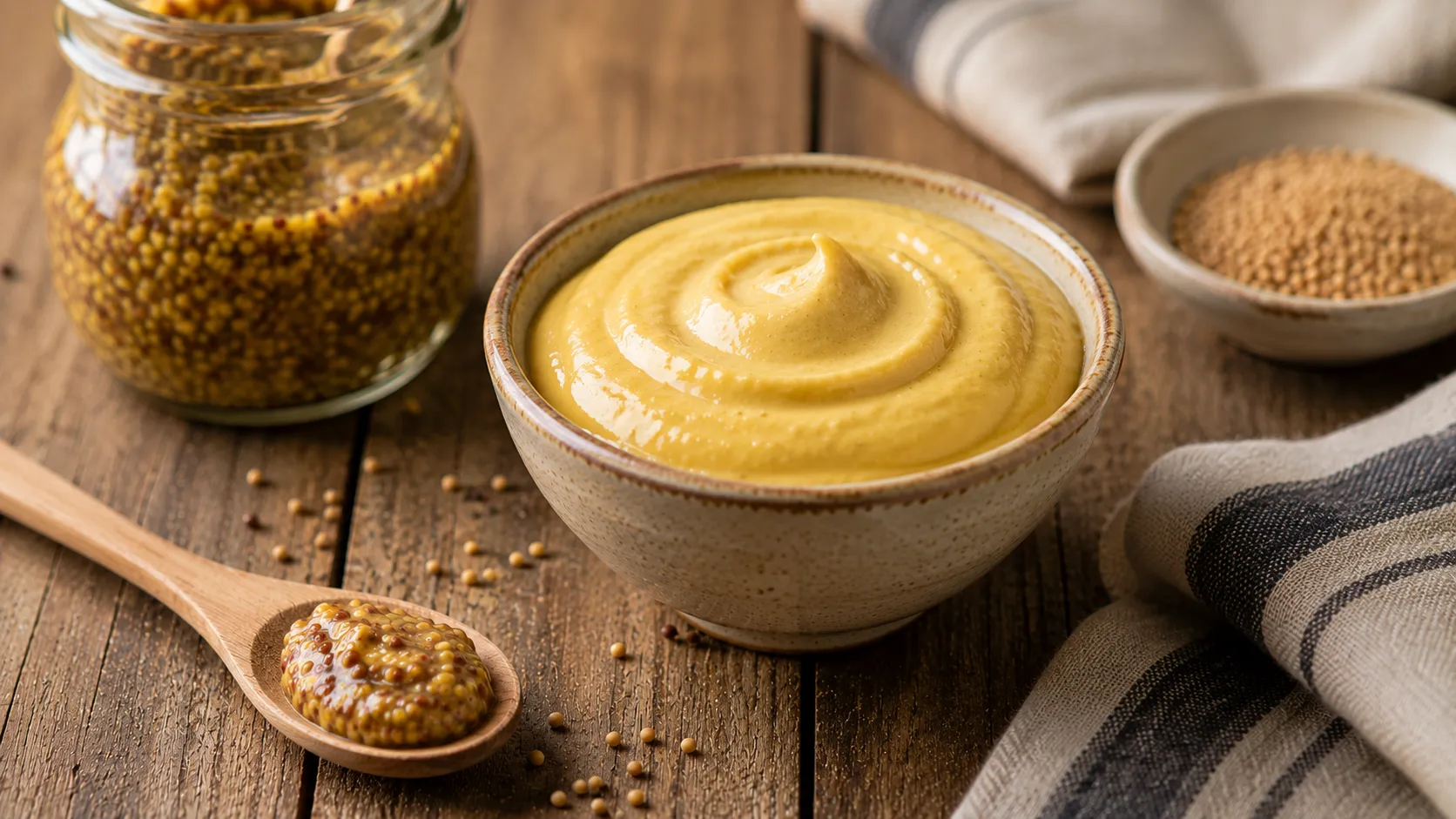
    Mustard is a condiment made from mustard seeds, liquid and seasoning. It brings heat, acidity, savoury depth and emulsifying power. That makes it useful not only on sandwiches, but also in vinaigrettes, marinades, pan sauces and glazes.
    Mustard helps oil and vinegar come together in dressings. It also adds sharpness to creamy sauces and cuts through rich meats, cheese and potatoes.

    How to choose

    Dijon mustard is the most useful all-purpose jar for cooking. It is smooth, sharp and balanced. Wholegrain mustard adds texture and a gentler pop. English mustard is hotter and should be used carefully. Mild yellow mustard is sweeter and better for casual sauces and sandwiches.
    • Dijon mustard: vinaigrettes, sauces, marinades and mayonnaise.
    • Wholegrain mustard: pork, sausages, potatoes, cream sauces and glazes.
    • English mustard: roast beef, cheese sauces and strong dressings.
    • Yellow mustard: burgers, hot dogs and sweeter sauces.

    How to store

    Store unopened mustard according to the jar. Once opened, keep it in the fridge for the best flavour. Always use a clean spoon to avoid contamination.
    Mustard may darken or dry at the surface over time. Stir it if separated, but replace it if it smells stale, fermented in an unpleasant way or mouldy.

    How to use

    Use mustard in dressings, marinades, glazes, cheese sauces, pan sauces and sandwich spreads. It is especially useful when you need a quick flavour lift.
    • Whisk Dijon with vinegar before adding oil for a stable vinaigrette.
    • Brush wholegrain mustard over pork or chicken before roasting.
    • Stir a small spoonful into cheese sauce for depth.
    • Add to cream sauce for fish, chicken, leeks or potatoes.

    Substitutions

    For dressings, replace mustard with a little mayonnaise, tahini or honey if you need help emulsifying, though the flavour will change. For heat, use horseradish or wasabi very sparingly.
    If using mustard powder instead of prepared mustard, mix it with a little water first and let it stand briefly to develop its flavour.
  • Vinegar

    Vinegar

    Pantry Basic

    Vinegar

    A practical guide to using vinegar in dressings, sauces, marinades and flavour balancing.
    Use for
    Dressings, sauces, marinades, pickles, balancing richness

    What it is

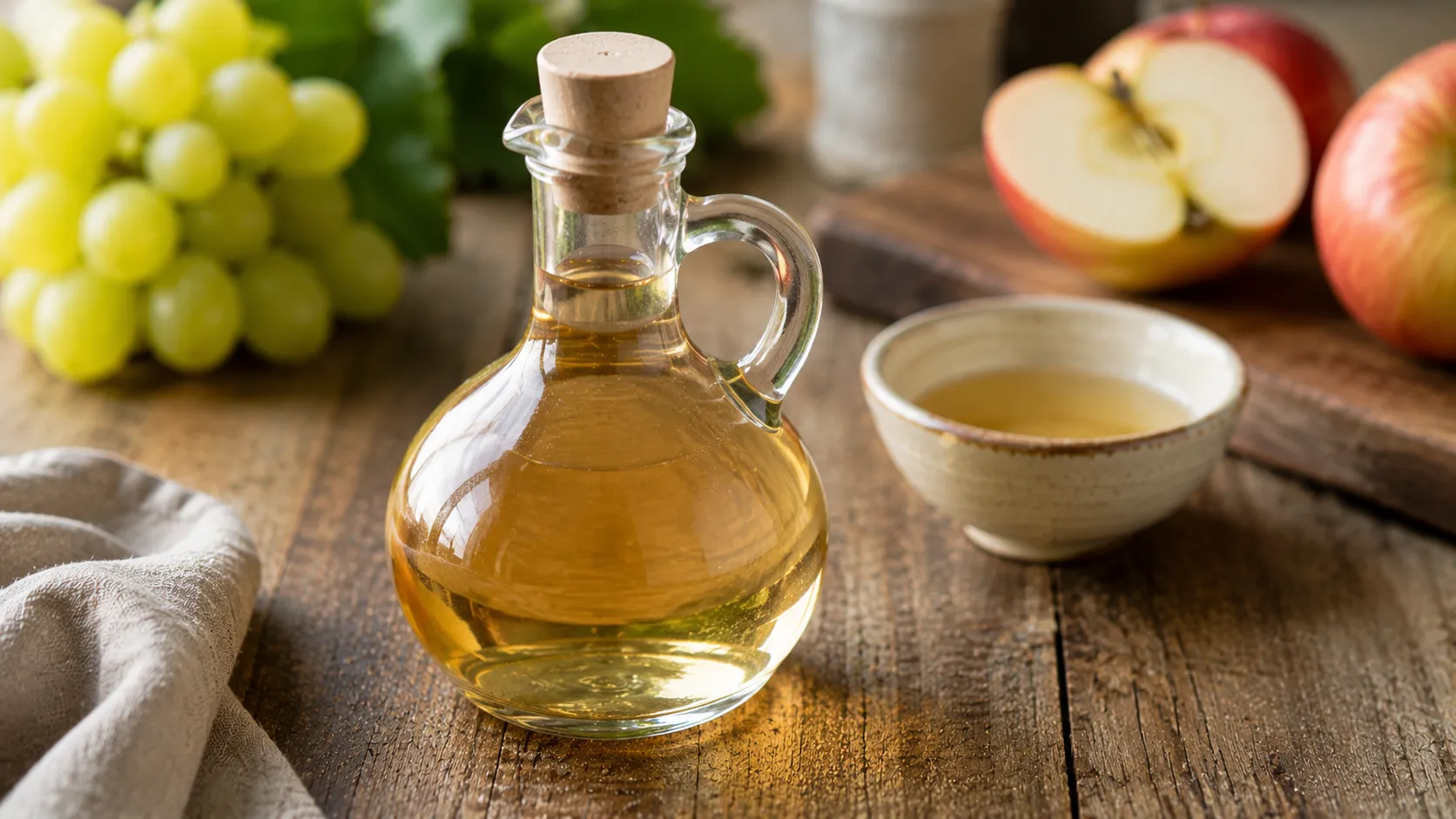
    Vinegar is an acidic ingredient made through fermentation. In cooking, it brightens flavour, balances richness, sharpens dressings and brings lift to sauces, marinades and pickles.
    A small splash of vinegar can make a dish taste more complete. It is especially useful when food tastes flat, heavy, overly sweet or too fatty.

    How to choose

    Keep one everyday wine vinegar and one sweeter vinegar if you cook often. Red wine vinegar is good with robust salads, lentils, beans and Mediterranean dishes. White wine vinegar is cleaner and lighter. Balsamic vinegar is sweeter and better for finishing, glazes and tomato-based dishes.
    • Red wine vinegar: salads, lentils, beans, red onions and marinades.
    • White wine vinegar: vinaigrettes, mayonnaise-style sauces and lighter vegetables.
    • Apple cider vinegar: slaws, pork, chutneys and sweeter dressings.
    • Sherry vinegar: soups, beans, roasted peppers and Spanish-style dishes.
    • Balsamic vinegar: tomatoes, strawberries, grilled vegetables and glazes.

    How to store

    Store vinegar tightly closed in a cool cupboard. Most vinegars are naturally acidic and keep for a long time, but delicate flavours can fade.
    Cloudiness or sediment is not always a problem, especially in unfiltered vinegar. However, discard vinegar if it smells unpleasant, mouldy or contaminated.

    How to use

    Use vinegar to make vinaigrettes, deglaze pans, sharpen sauces, season soups and balance rich dishes. Start with a small amount, taste, then add more only if needed.
    • Whisk 1 part vinegar with 3 parts oil for a classic starting vinaigrette.
    • Add a splash to lentils, beans or stews at the end of cooking.
    • Use vinegar to balance sweetness in chutneys and sauces.
    • Deglaze a pan with vinegar for a sharper sauce base.

    Substitutions

    Lemon or lime juice can replace vinegar in many dressings and sauces. Wine, verjuice, pickle brine or a splash of dry sherry can also work depending on the dish.
    When replacing balsamic vinegar, add a small pinch of sugar or honey to wine vinegar if the recipe needs sweetness.
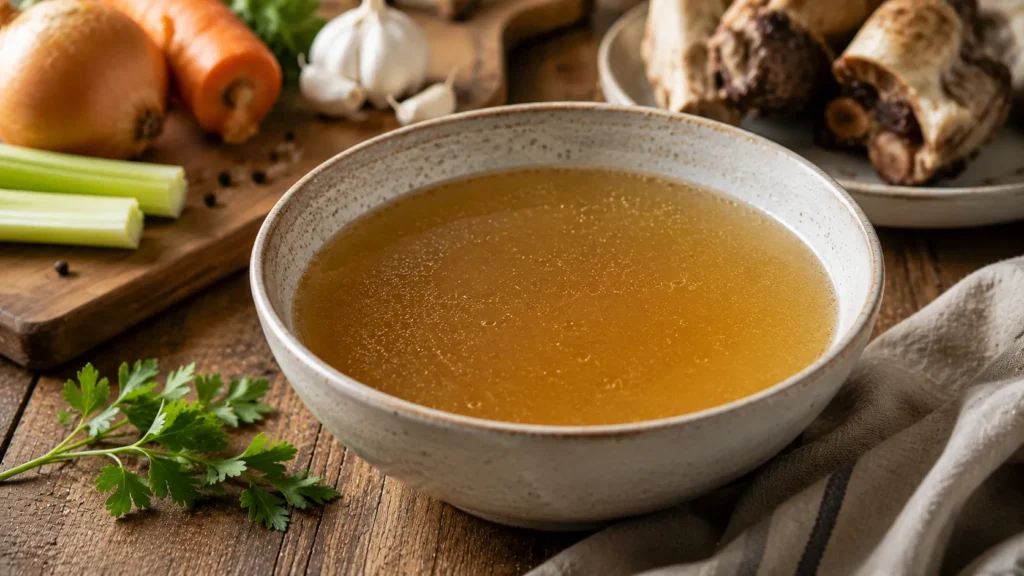
  • Stock and Broth

    Stock and Broth

    Pantry Basic

    Stock and Broth

    A practical guide to choosing and using stock and broth for soups, sauces, risotto, stews and everyday cooking.
    Use for
    Soups, risotto, stews, sauces, braises, grains

    What it is

    Stock and broth are savoury liquids used to add depth, body and seasoning to dishes. They are essential for soups, sauces, risotto, stews, braises and grains. The terms are often used loosely in home cooking, but stock is usually more neutral and ingredient-focused, while broth may be more seasoned and ready to sip.
    A good stock should support the dish without taking over. It brings savoury flavour, moisture and structure, especially when reduced in sauces or absorbed into rice and grains.

    How to choose

    Choose low-salt or no-salt stock when possible. This gives you control as the dish reduces. Cubes, powders, pots, cartons and homemade stock can all be useful, but they vary widely in salt and intensity.
    • Chicken stock: risotto, soups, sauces, pies and braises.
    • Vegetable stock: vegetarian soups, grains, sauces and stews.
    • Beef stock: rich stews, gravies and slow-cooked dishes.
    • Fish stock: seafood soups, fish sauces and risotto.
    • Low-salt stock: best for reductions and everyday control.

    How to store

    Keep unopened cartons, cubes and powders according to the packet instructions. Once opened, liquid stock should be refrigerated and used within the time stated on the packaging.
    Homemade stock should be cooled quickly, refrigerated and used within a few days, or frozen in portions. Ice cube trays are useful for small amounts needed in pan sauces.

    How to use

    Use stock instead of water when you want more depth. Add it gradually to risotto, use it as the base for soup, reduce it with pan juices for sauce, or pour it around meat and vegetables for braising.
    • Use hot stock for risotto so the rice cooks evenly.
    • Use unsalted stock when reducing for sauces.
    • Freeze small portions for quick pan sauces.
    • Taste before adding salt, especially if using cubes or concentrate.

    Substitutions

    If you do not have stock, use water plus aromatics such as onion, garlic, herbs, bay leaf or a splash of soy sauce or miso for savoury depth. For light soups or grains, water can be enough if the other ingredients are flavourful.
    Avoid using very strong stock in delicate dishes, as it can overpower vegetables, fish or light sauces.
  • Eggs

    Eggs

    Pantry Basic

    Eggs

    A practical guide to using eggs for binding, baking, sauces, breakfasts and everyday cooking.
    Use for
    Breakfasts, baking, binding, sauces, glazing, enriching

    What it is

    Eggs are one of the most versatile ingredients in the kitchen. They bind mixtures, set custards, enrich doughs, emulsify sauces, glaze pastry, thicken fillings and form the centre of simple meals.
    The white gives structure and lift, while the yolk adds fat, richness, colour and emulsifying power. This is why eggs matter in cakes, mayonnaise, hollandaise, pasta, pancakes and breakfast dishes.

    How to choose

    Choose fresh eggs for poaching and frying, where the shape matters. Slightly older eggs can be easier to peel after boiling. For most baking, use medium or large eggs as specified by the recipe.
    • Use the size stated in the recipe when baking.
    • Choose very fresh eggs for poached eggs.
    • Use pasteurised eggs if serving raw or lightly cooked egg to people who need extra caution.
    • Check shells are clean and uncracked before storing.

    How to store

    Store eggs in the fridge in their box, away from strong-smelling foods, because shells are porous. The UK Food Standards Agency advises keeping raw eggs in the fridge and using them within the best-before date. Read the FSA egg safety guidance.
    For baking, take eggs out of the fridge 20 to 30 minutes before using if the recipe needs room-temperature ingredients. This helps them mix more evenly into butter, sugar and batters.

    How to use

    Use eggs to bind meatballs, enrich doughs, thicken custards, set quiches, glaze pastry, make mayonnaise and create quick meals such as omelettes, frittatas and scrambled eggs.
    • Beat eggs gently for tender scrambled eggs.
    • Whisk eggs well into batters for even texture.
    • Temper eggs slowly when adding hot liquid to avoid scrambling.
    • Use egg yolks for richness and emulsification, egg whites for structure and lightness.

    Substitutions

    Egg substitutions depend on the job the egg is doing. For binding, use mashed banana, apple purée, yoghurt, flaxseed mixed with water or commercial egg replacer. For glazing, use milk or cream. For emulsified sauces such as mayonnaise and hollandaise, use a dedicated egg-free recipe.
    Substitutions can work well in simple cakes and pancakes, but they are less predictable in custards, meringues and enriched doughs.
  • Flour

    Flour

    Pantry Basic

    Flour

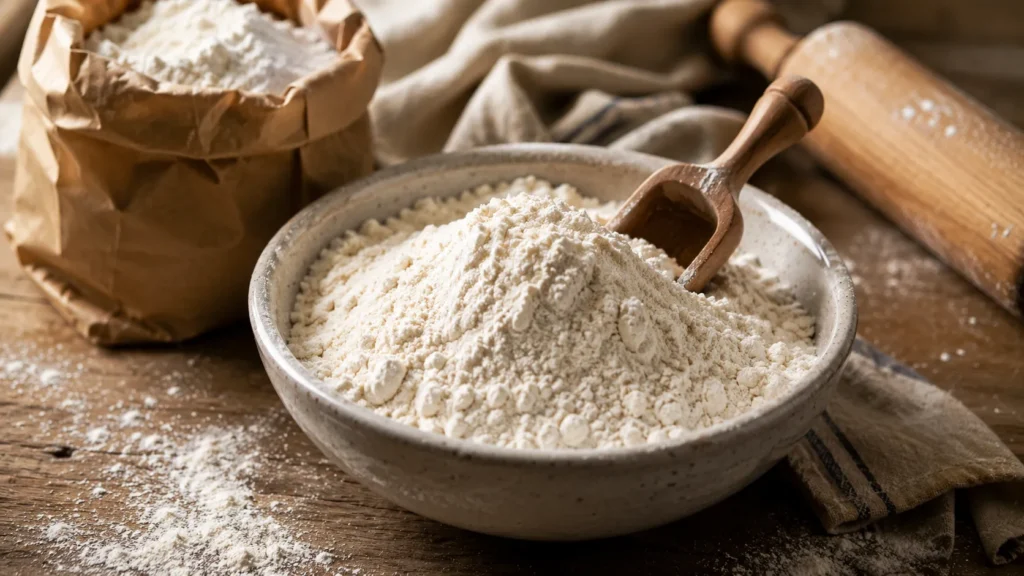
    A clear guide to choosing and using flour for baking, thickening, doughs, batters and sauces.
    Use for
    Baking, bread, pastry, pancakes, sauces, thickening

    What it is

    Flour is finely milled grain, most often wheat, used to build structure, thicken liquids and create doughs and batters. In everyday cooking, it appears in cakes, bread, pastry, pancakes, roux, sauces and coatings for meat or fish.
    Different flours contain different levels of protein. Higher-protein flour makes stronger gluten, which is useful for bread and pizza. Lower-protein flour gives softer cakes and tender pastry.

    How to choose

    Keep plain flour as your everyday all-rounder. It works for sauces, pancakes, cakes, biscuits, pastry and light coatings. Add strong white bread flour if you bake bread or pizza. Self-raising flour is convenient for quick cakes and scones, but it is less flexible because the raising agent is already mixed in.
    • Plain flour: sauces, pancakes, pastry, biscuits and general baking.
    • Strong bread flour: bread, pizza dough and chewy rolls.
    • Self-raising flour: quick cakes, sponge cakes and scones.
    • Wholemeal flour: nuttier flavour and more fibre, often best mixed with white flour for lighter texture.

    How to store

    Store flour in an airtight container in a cool, dry cupboard. This protects it from moisture, insects and kitchen smells. Wholemeal flour contains more natural oils and can go rancid sooner than white flour.
    If flour smells musty, bitter, stale or oily, replace it. For long storage, especially in warm kitchens, flour can be kept in the freezer in a sealed bag or box.

    How to use

    Use flour to make doughs and batters, to thicken sauces and soups, to dust surfaces when rolling pastry, and to coat food before frying. For sauces, cook flour with butter or oil first to remove the raw taste and help prevent lumps.
    • Use equal weights of flour and butter for a classic roux.
    • Sift flour for very light cakes or when it has lumps.
    • Do not overmix cake batters once flour is added, or the texture can become tough.
    • Let pancake and crêpe batters rest so the flour hydrates properly.

    Substitutions

    Cornflour can replace flour for thickening some sauces, but it gives a glossier, lighter texture and should be mixed with cold liquid before adding to hot liquid. Gluten-free flour blends can replace wheat flour in some cakes and sauces, but bread and pastry may need specific recipes.
    Ground almonds, oats or breadcrumbs can sometimes replace flour as coatings, but they will change texture and flavour.
  • Butter

    Butter

    Pantry Basic

    Butter

    A practical guide to using butter in cooking, baking, sauces and everyday finishing.
    Use for
    Baking, sauces, pan-frying, mashed potatoes, vegetables, finishing

    What it is

    Butter is a dairy fat made by churning cream. It brings richness, flavour and texture to cooking. In baking, it helps create tenderness, flakiness and structure. In sauces, it adds gloss, body and a rounded flavour.
    Butter contains water and milk solids as well as fat, so it behaves differently from oil. It can foam, brown and eventually burn. That is why butter is excellent for flavour, but needs more care over high heat.

    How to choose

    For most cooking, choose unsalted butter. It gives you control over seasoning and is especially useful for baking and sauces. Salted butter is fine for spreading, simple cooking and finishing vegetables, but the salt level varies between brands.
    • Use unsalted butter for pastry, cakes, béchamel, hollandaise and caramel.
    • Use salted butter for toast, sandwiches, jacket potatoes and simple finishing.
    • Choose cultured butter when you want a deeper, tangier flavour.
    • Use clarified butter or ghee for higher-heat frying.

    How to store

    Keep butter wrapped in the fridge so it does not absorb odours from onions, cheese or cooked food. For spreading, keep a small amount in a covered butter dish for short-term use if your kitchen is cool.
    Butter freezes well. Freeze it tightly wrapped, ideally in smaller pieces, so you can defrost only what you need.

    How to use

    Use butter to start sauces, enrich mashed potatoes, finish pan sauces, cook eggs gently, make pastry, brown mushrooms and glaze vegetables. When making a sauce, adding cold butter at the end can give the sauce a smoother, glossier texture.
    • Foaming butter is good for eggs and pancakes.
    • Brown butter adds a nutty flavour to pasta, fish, vegetables and cakes.
    • Cold butter rubbed into flour creates flaky pastry.
    • Softened butter creams more easily with sugar for cakes and biscuits.

    Substitutions

    For cooking, replace butter with olive oil or a neutral oil when you want a lighter result or need to avoid dairy. For baking, substitution is more delicate because butter affects texture and structure.
    For sauces, olive oil can work in vinaigrettes and some pan sauces, while cream or crème fraîche can replace some of the richness in creamy dishes.
  • Olive Oil

    Olive Oil

    Pantry Basic

    Olive Oil

    A practical guide to choosing, storing and using olive oil for everyday cooking, dressings, marinades and finishing.
    Use for
    Dressings, roasting, marinades, pasta, vegetables, finishing

    What it is

    Olive oil is oil pressed from olives and it is one of the most useful fats in a Western European kitchen. It can be used as a cooking fat, a dressing base, a marinade ingredient and a finishing oil. The main difference between bottles is not just price, but flavour, refinement and freshness.
    Extra virgin olive oil is the highest everyday category. It is unrefined, fruity and should have no sensory defects. The European Commission notes that extra virgin olive oil is the highest quality virgin olive oil category and must have acidity no higher than 0.8%. Read the EU olive oil overview.
    For home cooking, it is useful to keep two bottles: a good extra virgin olive oil for dressings and finishing, and a milder everyday olive oil for roasting, sautéing and marinades.

    How to choose

    Choose extra virgin olive oil when the flavour matters. It should smell fresh, grassy, fruity, peppery or gently nutty, not flat, waxy, greasy or stale. A bitter or peppery finish can be a good sign, especially in fresher oils.
    • Look for dark glass, tins or opaque packaging, as light damages oil.
    • Prefer bottles with a harvest date or clear origin information when available.
    • Buy a bottle size you can finish within a few months.
    • Use mild or regular olive oil for cooking when you do not want a strong olive flavour.
    • Do not assume that colour means quality. Olive oil can be green or golden depending on variety and age.

    How to store

    Store olive oil tightly closed in a cool, dark cupboard. Avoid keeping it beside the hob, oven, dishwasher or window. Heat, light and air make the flavour fade faster.
    If you use a large tin, decant a small amount into a clean bottle for everyday use and keep the tin closed. Do not store olive oil in the fridge for normal use, as it may become cloudy and slow to pour.

    How to use

    Use olive oil for vinaigrettes, tomato sauces, roasted vegetables, grilled fish, beans, pasta, focaccia, marinades and simple salads. Extra virgin olive oil is especially good as a final drizzle over soups, roasted peppers, grilled courgettes, tomatoes, bread and pulses.
    • Use a mild oil for roasting potatoes, peppers, aubergines and courgettes.
    • Use extra virgin oil for salad dressings, pesto-style sauces and finishing.
    • Whisk with vinegar or lemon juice, mustard and salt for a fast vinaigrette.
    • Combine with garlic, herbs and lemon zest for a simple marinade.

    Substitutions

    For cooking, replace olive oil with rapeseed oil, sunflower oil or another neutral oil. For dressings, use an oil with flavour, such as walnut oil, avocado oil or a mild nut oil, depending on the dish.
    Butter can replace olive oil in some sauces or pan-fried dishes, but it changes the flavour and browns more quickly.